2026 Media Partnership
RENEWABLE CHEMICAL EVENTS 2026
- Oct 21-23, ABLC Next, San Francisco, California, USA
- Nov 1-3, 6th Annual 2026 AFCC Global Biobased Economy Conference & Exhibit, Washington D.C., USA
- Nov 17-18, Advanced Recycling Conference, Cologne, Germany
- Dec 1-2, European Bioplastics Conference, Berlin, Germany
Latest Post
-

Europe’s Chemical Reset: Can Biomanufacturing Fill the Gap?
Europe’s chemical industry is facing an industrial reckoning. High energy costs, global overcapacity, weakening competitiveness and growing import competition have accelerated the closure of chemical production assets across the region. According to the European Chemical Industry Council (Cefic), cumulative announced chemical plant closures reached 37 million tons of annual capacity between 2022 and early 2026, equivalent to approximately 9% of European chemical production capacity. chemXplore‘s monitoring of 16 chemical clusters in Northwest Europe identifies 51 closure records since 2023, alongside substantial new industrial investment activity. These figures highlight a troubling contradiction: Europe is seeking to decarbonize its chemical industry while…
-
RMC 2026: Europe Has the Innovation—Can It Build the Market?
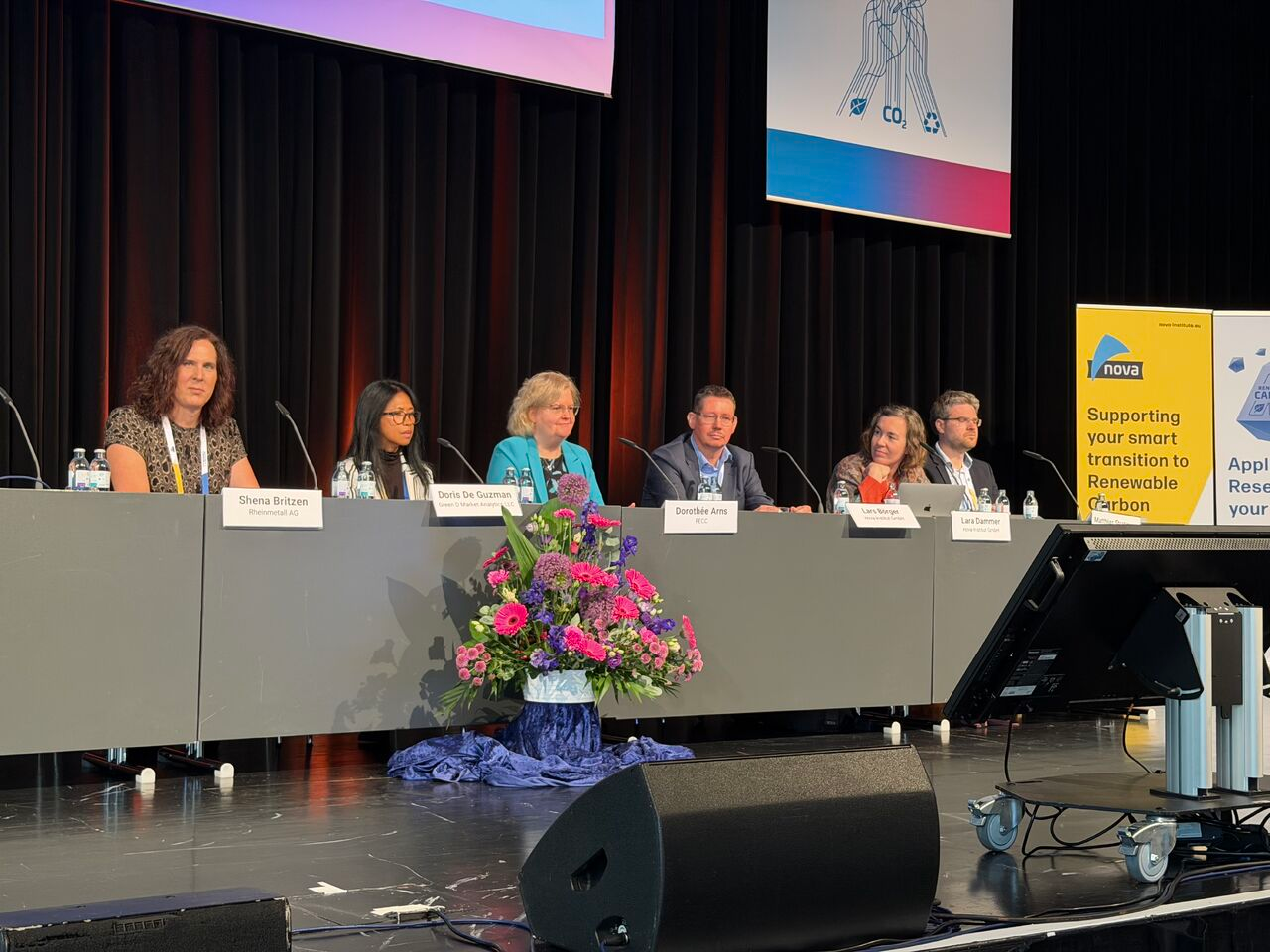
After several days of presentations and discussions at the Renewable Materials Conference (#2026RMC) held in Siegburg, Germany, the renewable materials industry does not appear to be short of technologies. What it remains short of is a reliable system for turning those technologies into competitive, financeable and scalable businesses. Across biopolymers, renewable chemicals, lignin, furanics, CO₂ utilization, surfactants and advanced recycling, many technologies are moving well beyond proof-of-concept. Yet commercial success increasingly depends on something more difficult: matching performance, cost, existing infrastructure, feedstock availability, customer commitments and policy support at the same time. That challenge is becoming even harder amid global…
-

Key takeaways from Bio Innovations North America 2026
After attending Bio Innovations North America (#BINA36) in Omaha, Nebraska, on Sept 9-10, our biggest takeaway is that the conversation around bio-based chemicals and industrial biotechnology is changing. There was still plenty of discussion about innovative technologies, feedstocks and new molecules. But much more of the conversation centered on a harder question: How do we actually get these technologies from pilot and demonstration scale into economically sustainable commercial production? This was particularly evident during the panel on Biomanufacturing Around the World: Lessons for U.S. Scale-ups and International Partnership Opportunities, where Green D Market Analytics joined representatives from Dispersa, Catalyxx and…
-
Scale-up lessons for bio-based chemicals
Every few years, the bio-based chemicals sector seems to produce a fresh “valley of death” peaks. The pattern maintains with companies with promising technologies, patient capital that eventually becomes impatient, difficult first plants, slow customer adoption, and then the inevitable round of exits, sales, shutdowns, bankruptcies and restructurings. This slide is part of a presentation titled “Renewable Chemicals Market: Geopolitics, Regionalization and Commercial Scale-Up” where Doris De Guzman , principal of Green D Market Analytics LLC, will deliver it at the nova-Institut GmbH‘s Renewable Materials Conference in Germany (Sept. 22–24). The 2018-2019 wave was a pile-up of scale-up realities. BioAmber’s…
-
Back in the Western Pipeline: Renewable Drop-In Chemicals
Summer 2026 is not yet over but it has certainly produced a number of announced projects and funding involving renewable drop-in alternatives to established fossil-based chemicals. In Europe, BioBTX announced a positive final investment decision for its PETRA circular aromatics plant at Chemie Park Delfzijl in the Netherlands. The plant will apply BioBTX’s Integrated Catalytic Cracking Process to mixed plastic waste, producing approximately 10,000 tons per year of renewable aromatic oil containing benzene, toluene and xylenes, together with approximately 8,000 tons per year of sustainable co-products. Process-module fabrication has started, construction at Delfzijl is scheduled to begin in early 2027,…
-
EU Textile Rules Push Chemicals Toward Circular and Lower-Impact Materials
EU textile and footwear rules are now entering their implementation phase, with new obligations covering unsold goods, textile waste collection, producer responsibility, waste exports and environmental claims. Large companies will be banned from destroying unsold apparel, clothing accessories and footwear placed on the EU market from 19 July 2026 under the Ecodesign for Sustainable Products Regulation, with medium-sized companies expected to follow in 2030. The revised Waste Framework Directive, in force since 16 October 2025, sets the basis for textile and footwear EPR schemes and new rules on used textile and textile waste management. The Waste Shipment Regulation tightens waste…
-
Biopolymers Market Update
The bio-based polymers market is not immune by the challenges plaguing the global plastics supply chain. The market is being tested by profitability, feedstock economics, downstream adoption and the ability of producers to scale without overbuilding ahead of demand. Polybutylene succinate (PBS) is the clearest example. Mitsubishi Chemical’s withdrawal from the PTTMCC Biochem BioPBS™ business in Thailand removes one of the most visible commercial bio-based PBS platforms from the global market. Production ended in December 2025, with sales to continue only until remaining stocks are exhausted. PBS activities in China continues through a mix of bio-based and coal-based PBS projects…
-

Key Quotes from the 16th ICIS World Surfactants Conference
Diversification, cost pressures and innovation are key topics discussed at the recently-held 16th ICIS World Surfactants Conference in Jersey City, New Jersey. We highlighted several quotes from various speakers and panelists gathered on this event. DAY 1 Speaker: Robert Fry, PhD, Economist: “Europe and Asia face greater recession risks than the USA because of their higher exposure to energy imports, while North Americas natural gas advantage continues to support its chemical industry competitiveness relative to regions dependent on naphtha-based feedstocks.” Panel Discussion: The panel focused on how Middle East supply disruption is affecting petrochemical and renewable chemical supply chains. “US…
-
Global Furanics Market Development Splits Across the USA, Europe and China
The furanics market is moving in different directions with current activity shows a US retrenchment around Origin Materials, continued European commercialization through Avantium and ResiCare, and expanding Chinese activity around furandicarboxylic acid (FDCA), polyethylene furanoate (PEF) and other furan-based polymer applications. Origin Materials has moved toward liquidation after scaling back its biomass-to-chemicals platform and later announcing plans to sell its PET cap technology and remaining assets, followed by a wind-down of its operations. Origin had previously promoted a furanics platform based on converting lignocellulosic feedstock into chloromethyl furfural (CMF), for potential downstream use in PET precursor paraxylene, FDCA and PEF.…
-
China’s 15th Five-Year Plan Raises the Stakes in Biomanufacturing
Biomanufacturing is moving deeper into China’s industrial policy base as indicated in the country’s recently-released 15th Five-Year Plan. The national 2026-2030 plan identifies biomanufacturing and advanced materials as priority areas for technological breakthroughs and industrial upgrading. China’s Ministry of Industry and Information Technology (MIIT) is also expected to issue a dedicated 15th Five-Year Biomanufacturing Development Plan, with public reports pointing to landmark products, AI application cases, pilot platforms, and high-performance bioreactors as key areas of focus. The plan aims to transform China’s biotech industry from R&D into a dominant global producer through enhanced manufacturing capabilities. Key focus industries will include…
-
Chemical Supply Chains Under Pressure: Managing Middle East Disruption With Renewable Options
The latest escalation in the Middle East is reintroducing two familiar fragilities into the chemical value chain: energy-price volatility and logistics risk concentration. Markets are explicitly pricing the possibility of supply disruption tied to Gulf geopolitics (including the Strait of Hormuz), with upstream crude moving on risk premiums and producers/consumers facing faster, less predictable feedstock cost swings such as naphtha, LPG, aromatics, etc., that flow directly into petrochemical margins and contract pricing. The Strait of Hormuz is critical to the petrochemical industry because it acts as the primary maritime bottleneck for roughly 20-25% of global oil and liquified natural gas…
-
Green Chemicals Blog Newsletter on LinkedIn
Green D Market Analytics LLC has introduced the Green Chemicals Blog Newsletter on LinkedIn —an alternative channel for staying current on renewable chemicals markets and companies. The Green Chemicals Blog has operated since 2007 and has served as an independent source of news and short market analysis of the renewable chemicals industry. Throughout 2026, we will gradually transition the Green Chemicals Blog to a new home under the Green D Market Analytics umbrella. This shift is intended to consolidate and organized the delivery of our content while keeping the same focus: credible, industry-relevant coverage of the renewable chemicals and materials value chain.…
-
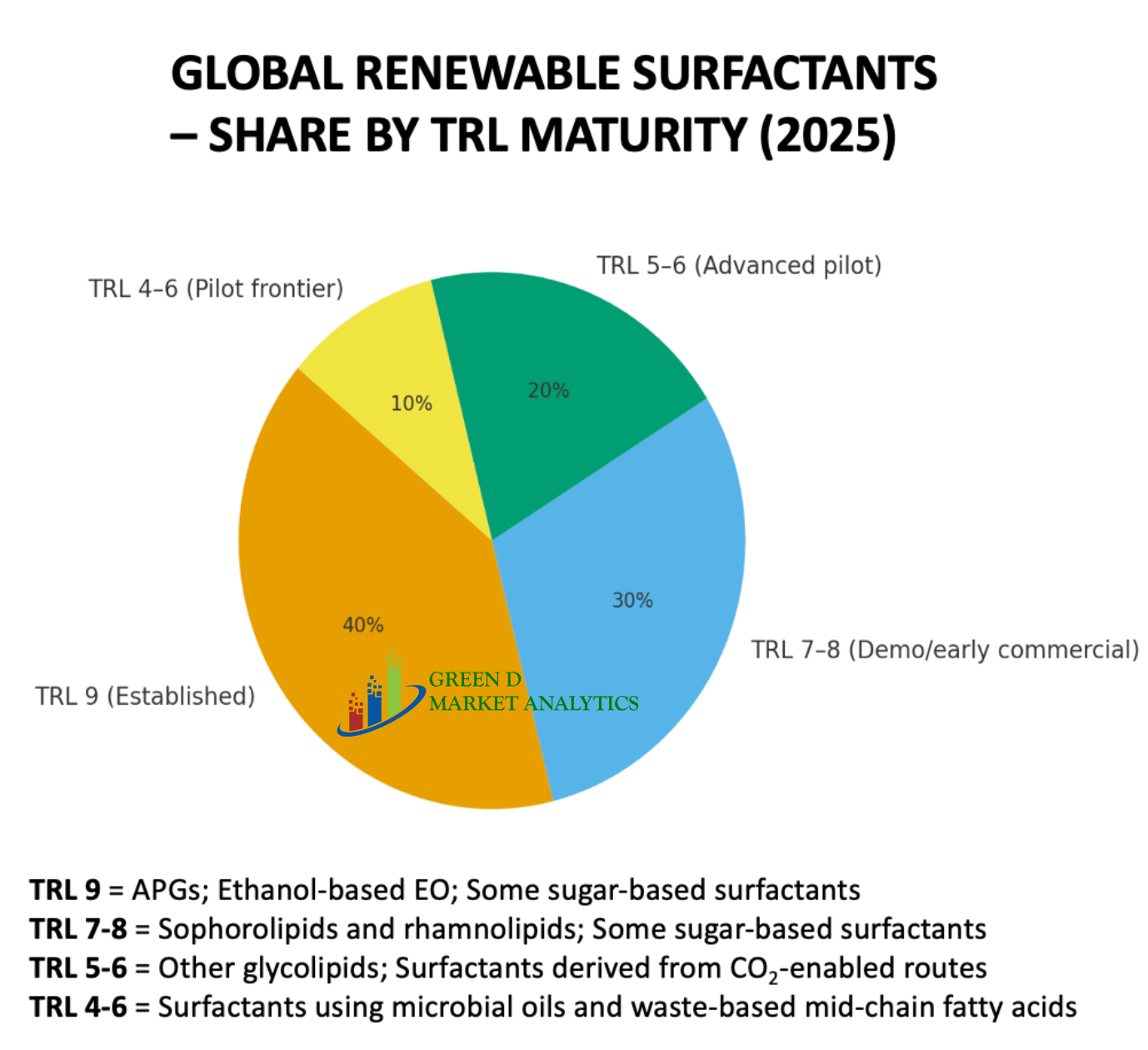
New Market Report: “Detailed Assessment of the Renewable Surfactants Market”
Developed in collaboration with Neil A Burns LLC, Green D Market Analytics (GDMA) today announced the publication of a new market report, “Detailed Assessment of the Renewable Surfactants Market,” which will be available beginning January 12, 2026.
-

Geno, Sojitz bio-nylon partnership
Geno’s recent announcement of a partnership with Sojitz strengthens the company’s push to commercialize 100 % plant-based nylon-6. According to the press release, Sojitz will provide strategic investment and market access support to accelerate the transition from demonstration to commercial scale. Geno describes its technology as a drop-in replacement for conventional nylon-6, utilizing renewable carbon derived from sugars to produce caprolactam intermediates, which are then used to make nylon-6. The companies plan to form a separate entity for the deployment of a flagship commercial plant. The technical route Geno employs is a fermentation-based manufacturing platform: plant sugars are fermented into…
-
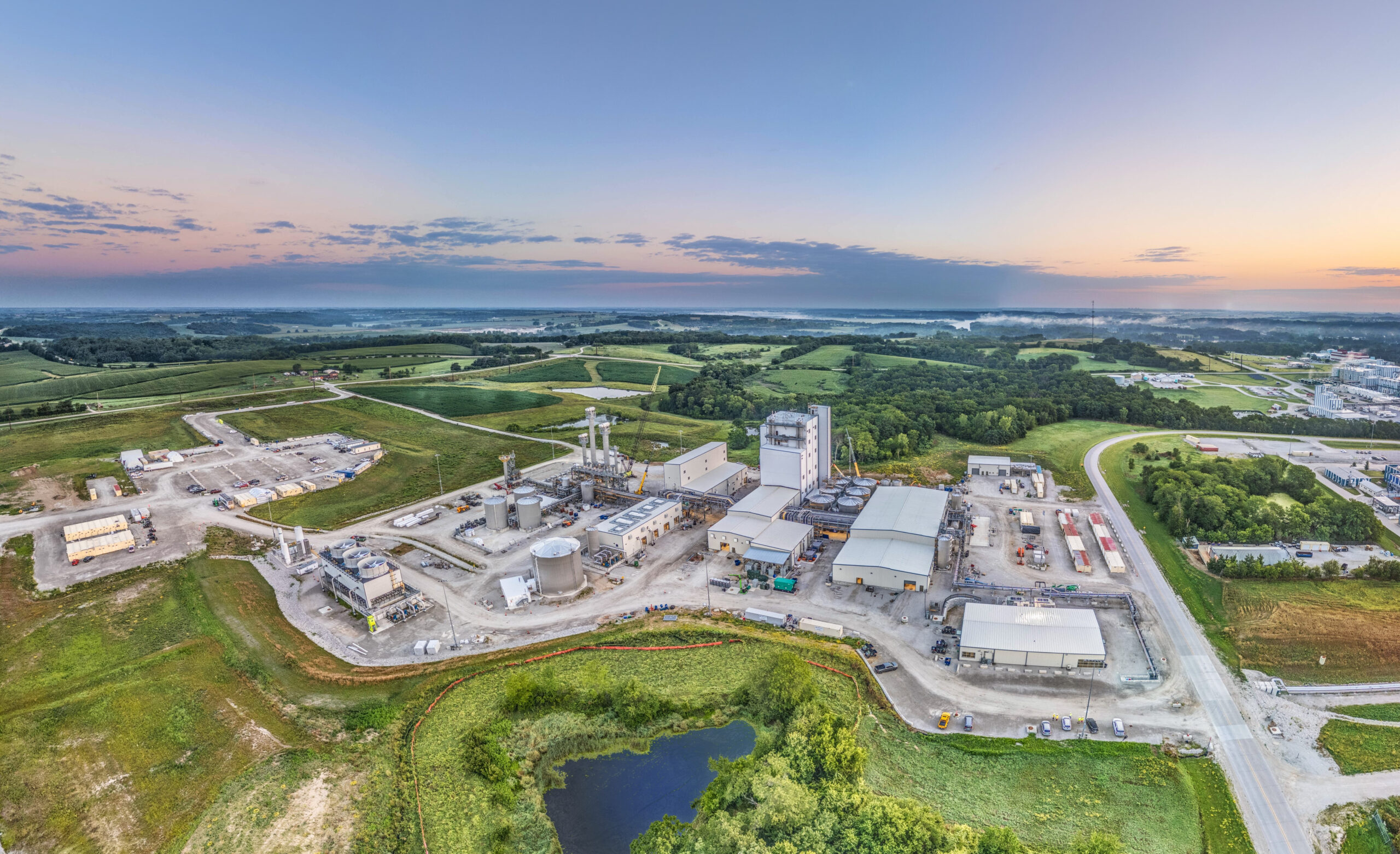
Qore starts bio-BDO operations
Qore, a joint venture between Cargill and HELM, has officially commenced commercial-scale production of bio-derived 1,4‑butanediol (BDO), branded as QIRA®, at its new Eddyville, Iowa facility. The plant cost $300 million and has an annual capacity of 66,000 metric tons, sourcing dent corn grown within a 100-mile radius. This marks a significant entry into the bio-BDO space, though it still represents a small fraction of total BDO capacity. Qore’s facility utilizes Geno’s fermentation technology. Qore’s partnerships include BASF, which secured long-term access to QIRA’s’s Iowa production, while the LYCRA Company is integrating QIRA® into its EcoMade spandex fiber. Qore’s entrance…
-
Nufarm Acquires Yield10 Assets, Closing Chapter on Former PHA Pioneer Metabolix
Australia-based Nufarm Limited’s seed-technology arm has recently closed the acquisition of substantially all of Yield10 Bioscience’s assets, completing a transaction first outlined in mid-2024. The deal, finalized in January 2025, transfers Yield10’s entire camelina R&D portfolio—including omega-3, herbicide tolerance, and bio-energy traits—for a consideration of up to USD $5 million, as set out in the October 2024 asset-purchase agreement. The divestment caps a severe financial unwind at Yield10. The company was forced off Nasdaq in May 2024 for failing to meet the $2.5 million minimum equity requirement, and its shares have been trading over the counter since the suspension. Liquidity…
-

Teknor Apex acquires Danimer
Teknor Apex Company, a global custom compounder of plastics and elastomers, has acquired the assets of Danimer Scientific, a developer and manufacturer of biodegradable polymer technologies, through a bankruptcy auction process. The acquisition was finalized following a court-approved sale under Chapter 11 proceedings in May 2025. Headquartered in Bainbridge, Georgia, Danimer Scientific filed for Chapter 11 bankruptcy protection in March 2025, amid ongoing financial challenges. Teknor Apex was designated as the stalking horse bidder and, in the absence of competing qualified offers for substantially all of Danimer’s assets, was selected as the winning bidder. The $19 million acquisition includes Danimer’s…
-
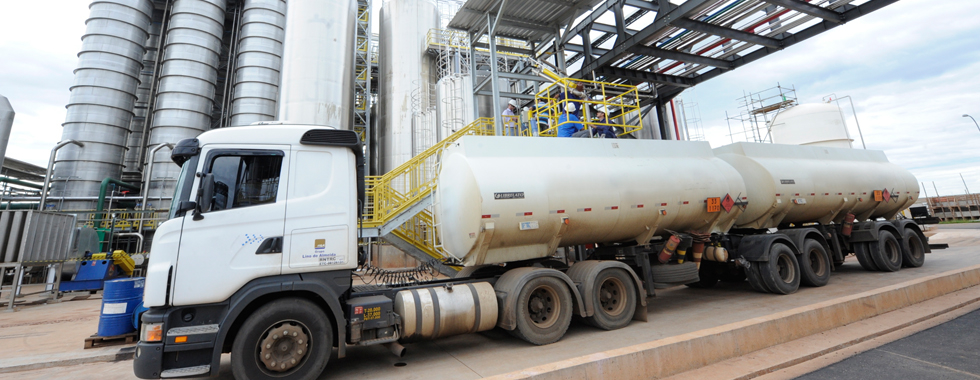
Amyris rebuilds Post-Bankruptcy
Following a year of emerging from Chapter 11 bankruptcy, Amyris is seeking to regain its footing with a renewed focus on its core competencies in sustainable ingredient manufacturing. Last month, Amyris announced that it had acquired full ownership of its precision fermentation plant in Barra Bonita, Brazil, by purchasing Ingredion’s 31% stake in their RealSweet joint venture. The JV was established in 2021 to develop and commercialize fermentation-derived Rebaudioside M (Reb M), a high-purity steviol glycoside known for its sugar-like taste and zero-calorie profile. Reb M is produced in Barra Bonita using Amyris’s precision fermentation technology. This dissolution of the…
-

American Alliance for Biomanufacturing
A coalition of industry leaders has inaugurated the American Alliance for Biomanufacturing (AAB) to fortify the United States’ position in the global bioeconomy. This alliance aims to enhance U.S. capabilities in scalable, secure biomanufacturing, addressing critical challenges and opportunities in a sector increasingly vital to national economic and security interests. The AAB’s formation responds to calls from the National Security Commission on Emerging Biotechnology (NSCEB) for a coordinated national strategy to ensure U.S. leadership in industrial biomanufacturing. Biomanufacturing – which utilizes biological systems to manufacture products spanning sectors as diverse as energy, defense, agriculture, chemicals, ingredients, sweeteners, materials, fabrics, and…
-

2025 World Surfactants Conference Coverage
The phrase “I don’t know” was a central theme emphasized during the opening remarks at the recently held World Surfactants Conference in Jersey City, New Jersey, USA. The two-day event centered on the heightened uncertainty and potential disruption in the chemical supply chain driven by US tariffs and other trade policies, while also highlighting a growing sense of optimism regarding sustainability-driven innovation within the surfactants industry. Green D Market Analytics founder and principal Doris de Guzman moderated the Biosurfactant Panel Discussion. The presenters included Dennis Zlotnik, founder of BioReNuva; Christoph Krumm, Co-Founder and CEO of Sironix Renewables; and Michael Fielding, Chief Executive and…
-

US Biotech and National Security
The National Security Commission on Emerging Biotechnology (NSCEB) has released a pivotal report highlighting the strategic importance of biotechnology to U.S. national security and expressing concern over China’s rapid advancements in this sector. The report underscores that the United States, historically a leader in biotechnology, is now at risk of falling behind in critical areas as China surges ahead. China’s strategic focus on biotechnology over the past two decades has led to significant advancements, including the adoption of technologies like CRISPR and progress in cell therapy. Green D Market Analytics has been chronicling the surge of industrial biotechnology capacity in…
-
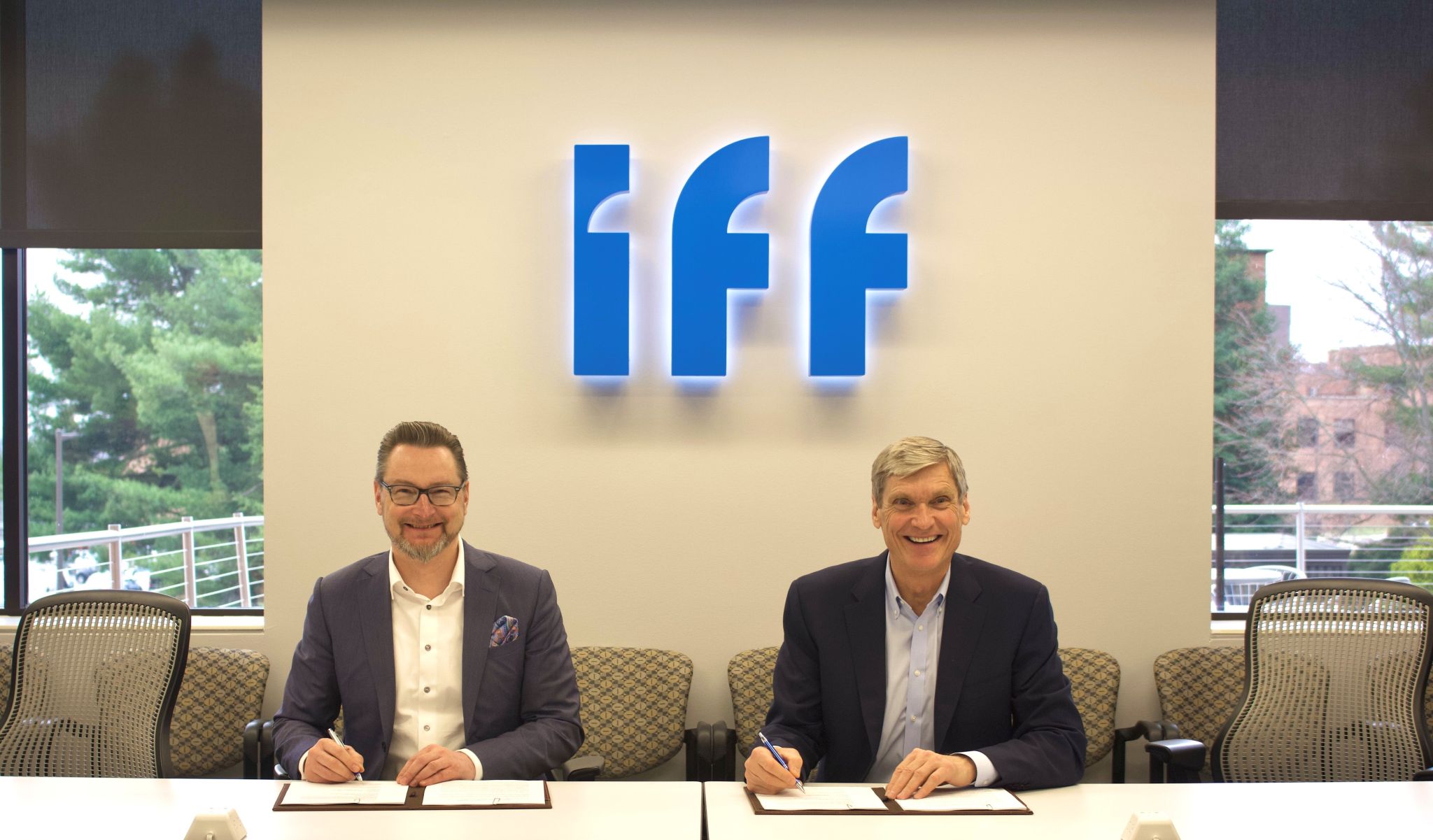
IFF and Kemira launch AlphaBio JV
IFF and specialty chemicals company Kemira launched Alpha Bio, a joint venture aimed at commercial-scale production of renewable bio-based materials with an investment value of €130 million. The Alpha Bio facility, to be located at the IFF biorefinery in Kotka, Finland, will convert up to 44,000 tons of plant sugars to various products, including high-performance biopolymers for use in various applications, such as home and personal care and industrial solutions. The facility will start production in late 2027. Alpha Bio’s process will use IFF’s Designed Enzymatic Biomaterial™ (DEB) platform technology, which enables the production of bio-based materials using plant-based sugars and…
-
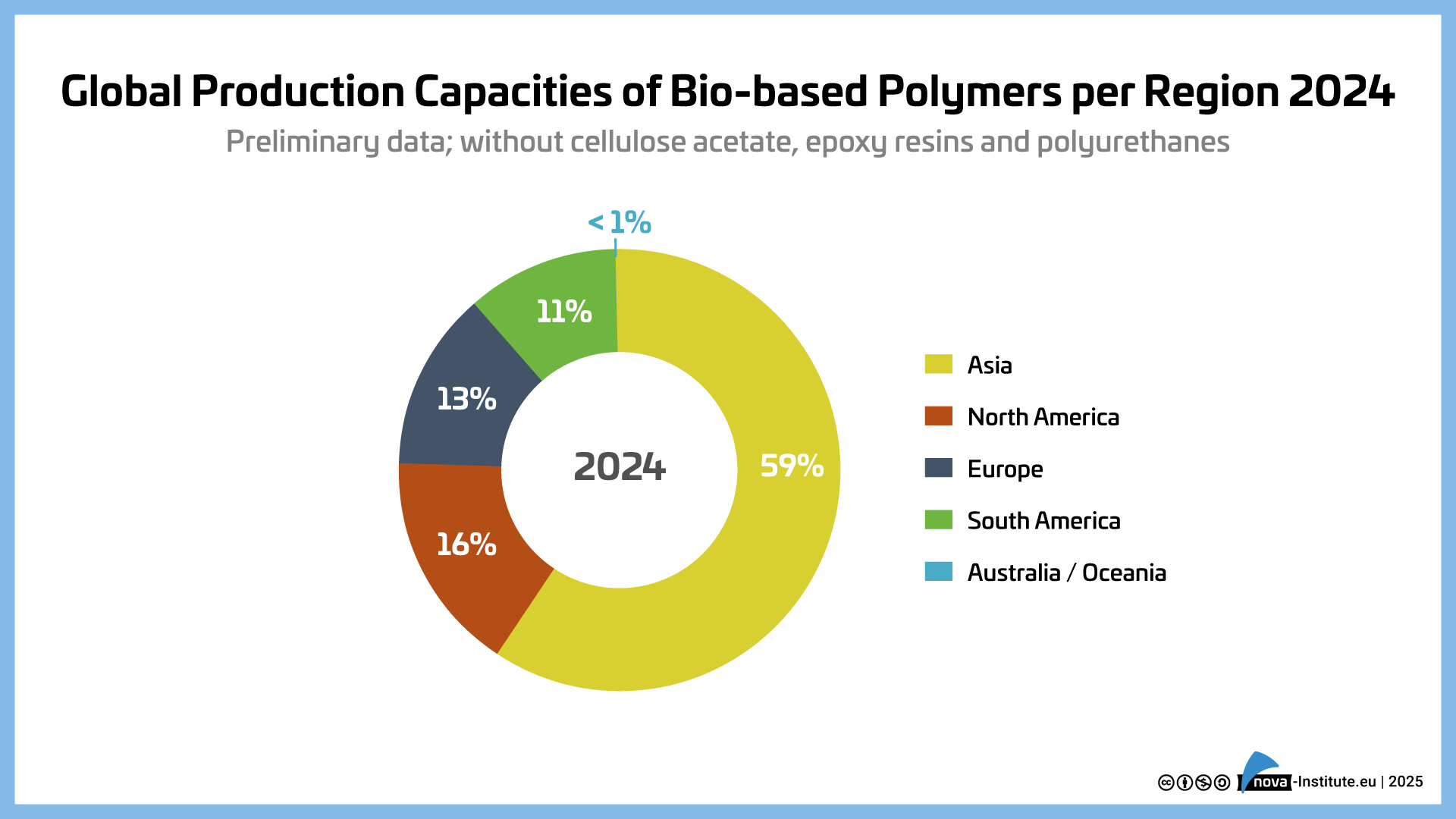
Status and Outlook: Bio-based Polymers worldwide
Expert insight into capacity developments, investments, and new policy frameworks Author: Michael Carus, Founder and CEO nova-Institute (Germany) As the New Year begins, let’s take a closer look at the current state of bio-based polymers. We look at the rapidly growing production capacity, the major investments currently underway in China, Europe, and the Middle East, and the new political conditions in Europe that are driving demand for biodegradable polymers. But first things first… The global capacity for bio-based polymers will grow strongly over the next five years, much faster than for fossil-based polymers. For the fourteen (14) bio-based polymers presented…
-
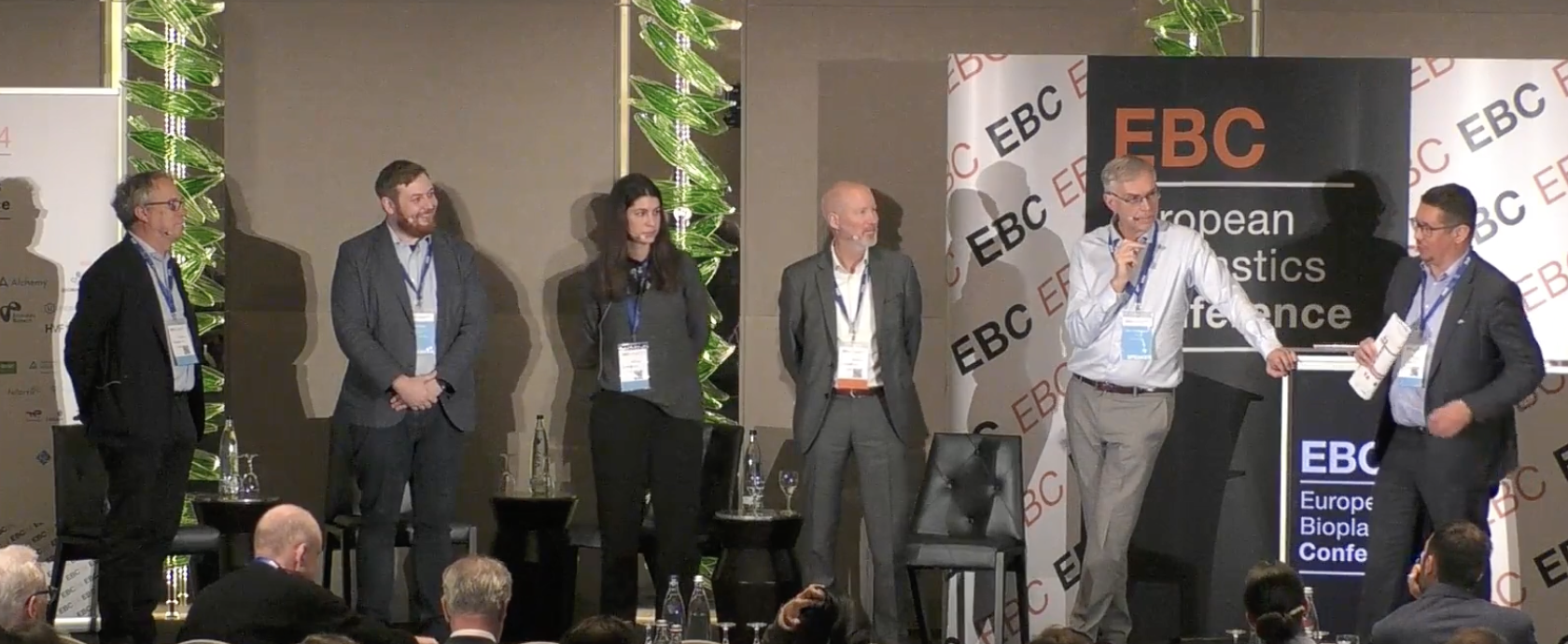
Protected: Global bioplastics update at EBC24
There is no excerpt because this is a protected post.
-

Protected: Coverage of the AFCC 2024
There is no excerpt because this is a protected post.
-
PBPC addresses misleading bioplastic statement from Greenpeace
Recently, Greenpeace released a report on corporations and plastics pollution and specifically addressed the use of bioplastics. While some of their discussion had merit, the US organization Plant Based Products Council (PBPC) reported on its Accountability Blog that Greenpeace’s coverage of bioplastics fell short. PBPC took out its red pen to correct the record and add context to a number of their contentions.
-
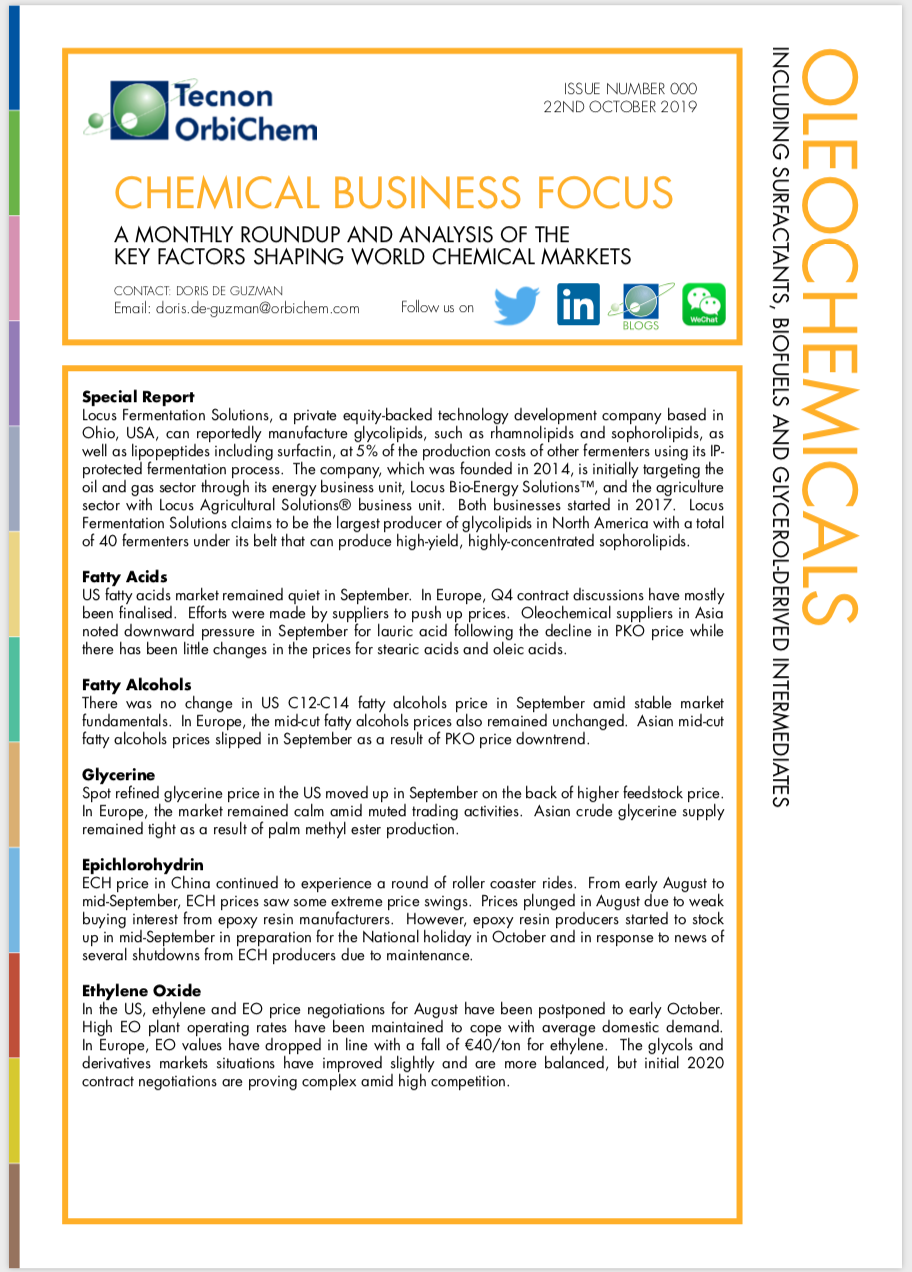
NEW OLEOCHEMICALS SERVICE FROM TECNON ORBICHEM
Since 2013, Tecnon OrbiChem has been providing information on bio-based chemicals including oleochemicals in our monthly Bio-Materials Chemical Business Focus. We have both expanded and focussed our oleochemicals coverage to create a new Oleochemicals Including Surfactants, Biofuels and Glycerol-derived Intermediates Chemical Business Focus monthly report. The content and format of this new service is based on extensive consultation with the industry. A special pre-launch issue (Issue 000) of Tecnon OrbiChem’s new Oleochemicals Chemical Business has been published which is available for you to receive by email. To receive the pre-launch issue by email please click here * The Oleochemicals Chemical…
-
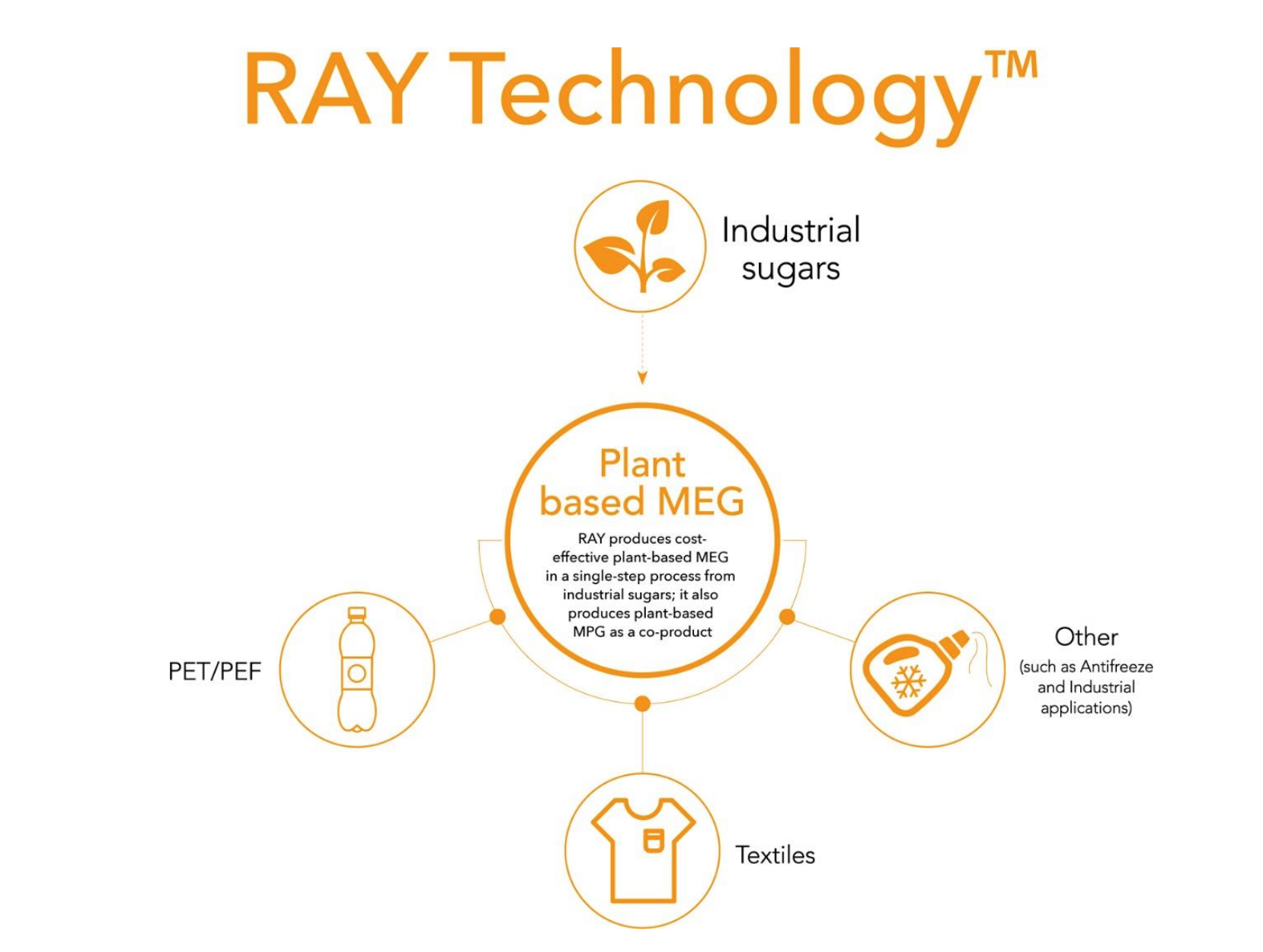
Avantium opens bio-glycols demo plant
The bio-based glycols market is slowly coming back to life with the addition of new capacities from several companies I’ve been covering these past few years. Last week, Avantium inaugurated its plant-based MEG (monoethylene glycol) demonstration factory in Chemie Park Delfzijl, the Netherlands, using a chemo-catalytic technology the company named Ray Technology™. The demonstration plant, with a capacity of 10 tons/year, will also produce plant-based MPG (mono-propylene glycol) which is used in a diverse set of industries such as cosmetics, pharmaceuticals, food flavoring, and deicing. The end-to-end plant-based Ray Technology™ demonstration plant will cover all process steps in converting industrial…
-
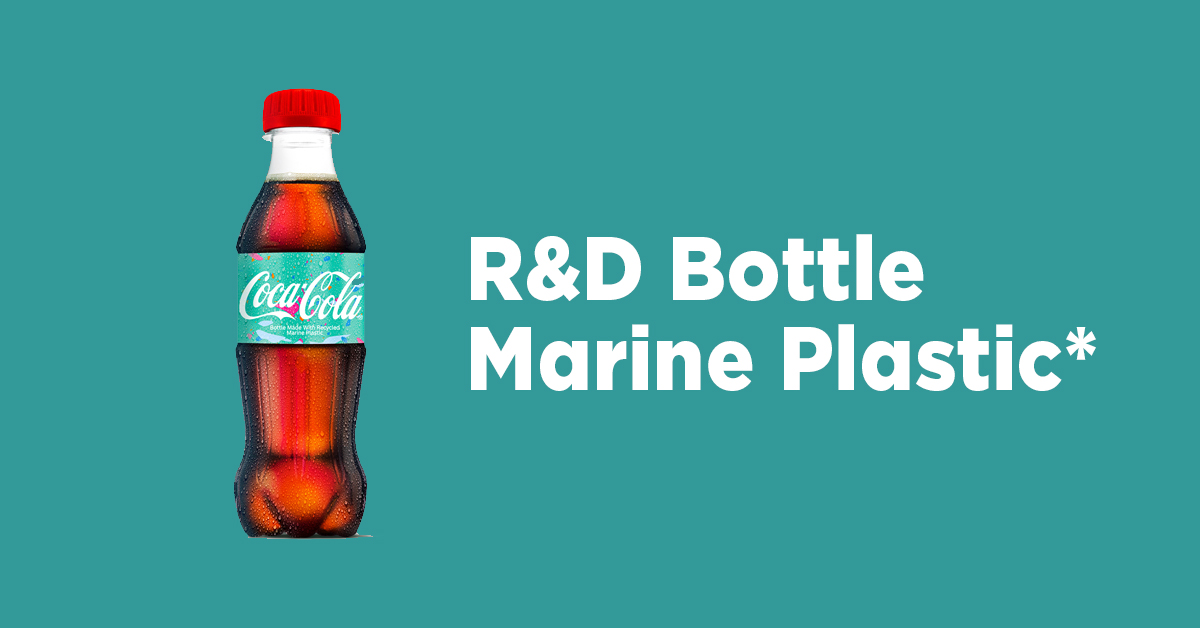
Coca-Cola launches marine plastic bottle samples
Coca-Cola announced its first-ever sample bottle made using recovered and recycled marine plastics. This sample is the first-ever plastic bottle made using marine litter that has been successfully recycled and reused in food and drink packaging. About 300 sample bottles have been produced using 25% recycled marine plastic retrieved from the Mediterranean Sea and beaches. The sample bottle is the result of a partnership between Ioniqa Technologies, Indorama Ventures, Mares Circulares (Circular Seas) and The Coca-Cola Company. Although enhanced recycling is still in its infancy, the partners produced the sample marine plastic bottle as a proof of concept for what the technology…
-
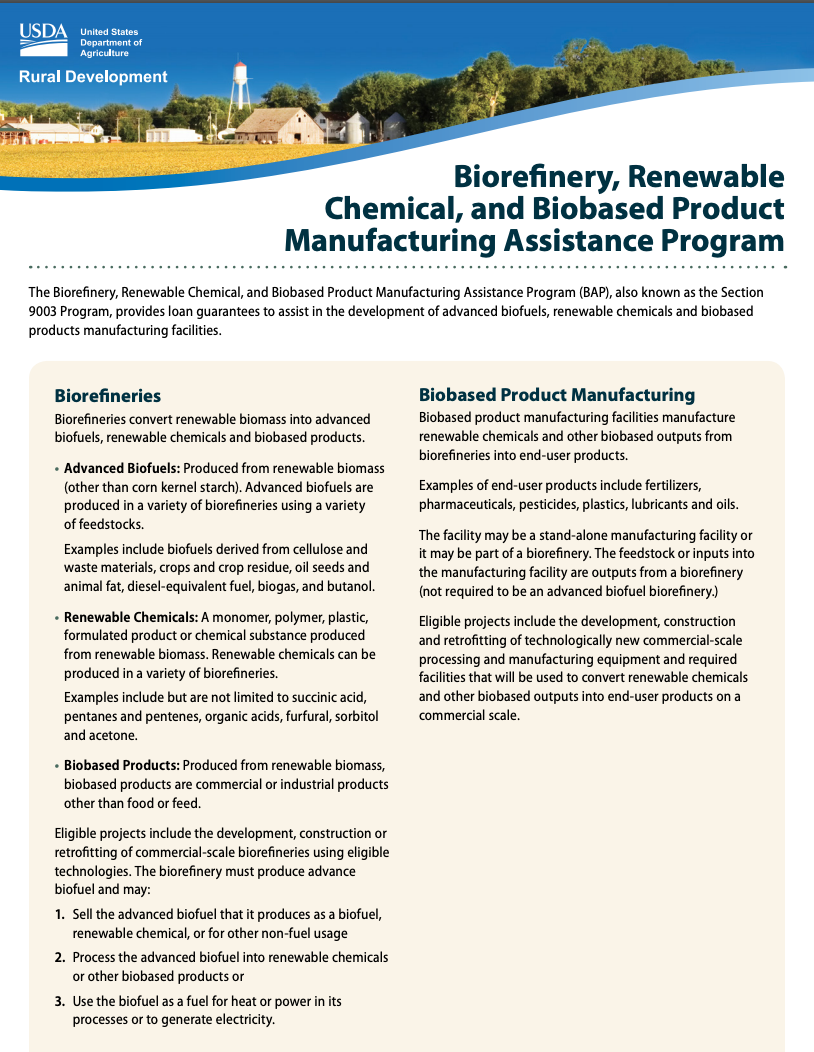
Funding opportunity for US biorefineries
The US Department of Agriculture (USDA) is again accepting applications for loan guarantees for up to 80% of the total eligible project costs up to $250 million. Under the Section 9003 Program, the loan aims to assist in the development, construction and retrofitting of new and emerging technologies focusing on advanced biofuels, renewable chemicals, and bio-based products. Application deadlines are October 1, 2019 and April 1, 2020. Applications will be evaluated for eligibility, technical and financial feasibility and sufficient project equity. Applicants with the highest priority scoring may be invited to submit Phase 2 applications, while those with lower priority scores…
-
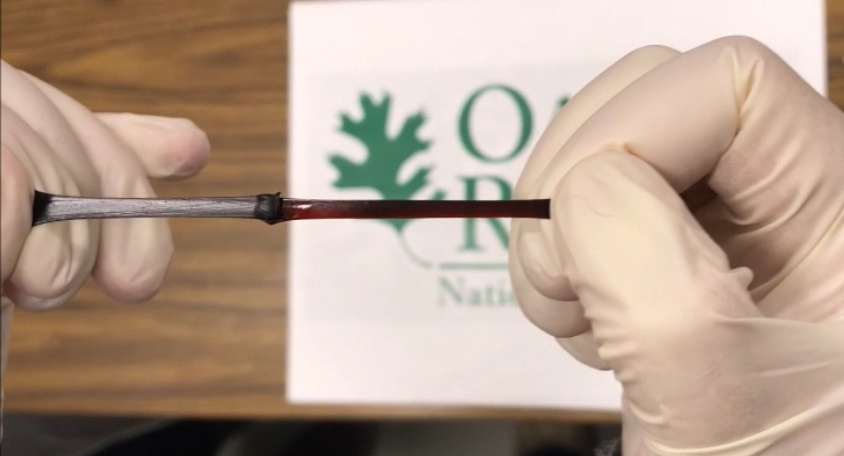
Adhesives remain a high-growth area for bio-based chemicals developments
Research, development and commercialisation of various bio-based adhesive technologies have steadily risen driven by factors such as low VOC and carbon emission requirements; the need to lower costs of transporting and storing hazardous substances; growing consumer preference for plant-based materials and the need to reduce fossil dependence; as well as potential regulations stimulating the market for bio-based products. TO DOWNLOAD THE FULL ARTICLE PLEASE CLICK HERE* SUBSCRIPTION SERVICES CHEMICAL BUSINESS FOCUS A MONTHLY ROUNDUP & ANALYSIS OF THE KEY FACTORS SHAPING WORLD CHEMICAL MARKETS Compiled by a global team of dedicated consultants, Tecnon OrbiChem’s famous ‘newsletters’ contain detailed and incisive…
-

Salesforce’s Sustainability Cloud tool offers carbon emissions tracking
I have to admit I’m a little bit biased in reporting this since my older brother works for Salesforce, a cloud-computing service company headquartered in San Francisco, California, that specializes in customer relationship management (CRM). According to the company, it has launched its Salesforce Sustainability Cloud, a carbon accounting product for businesses that provides sustainability platform for companies to give them a 360-degree view of their environmental impact and provides data-driven insights about their carbon emissions. Global sustainable investing reportedly grew to more than $30 trillion in 2018, a 34 percent increase in two years and this year CEOs cited…
-
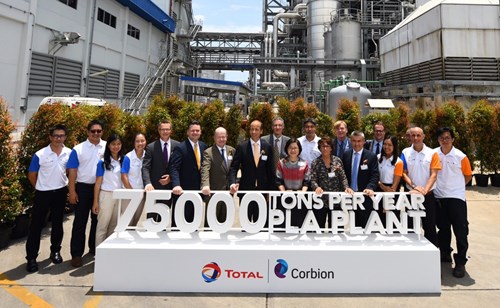
Total Corbion celebrates PLA plant start-up
I have just been updating my share of polylactic acid (PLA) information in Nova Institute’s upcoming biopolymers study and it reminded me how the PLA industry has come a long way from being a novel, niche polymer. Of course, it also helps that there’s another major global player in the block aside from NatureWorks that could further push PLA’s growth potential. Total Corbion PLA, a 50/50 joint venture between French oil company Total and Dutch specialty ingredients producer Corbion, has inaugurated its 75,000 tpa PLA bioplastics plant in Rayong, Thailand, on September 9, 2019. The opening celebrates the start-up of…
-
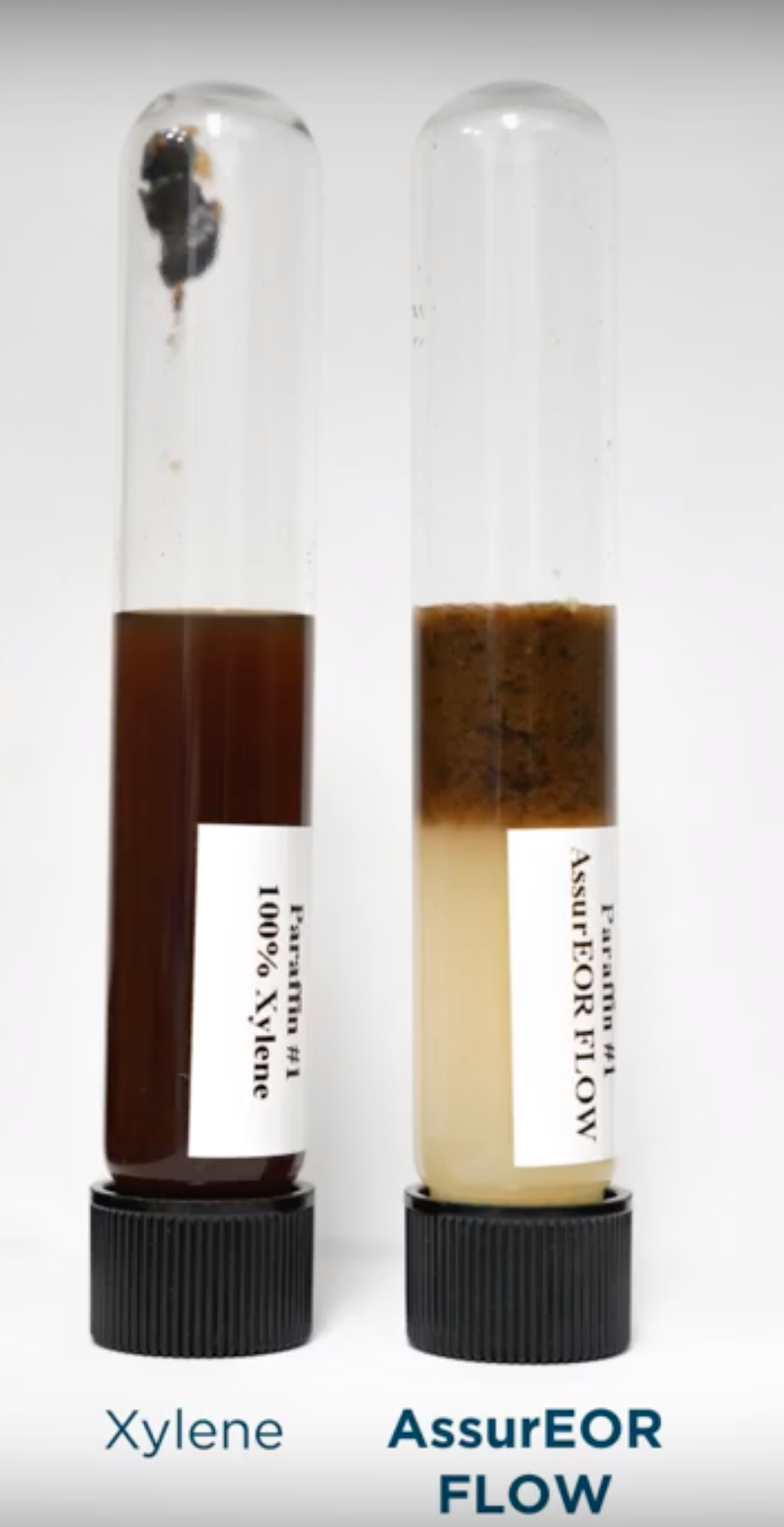
Interview with Locus Bio-Energy Solutions
I’ve been introduced last month to Locus Bio-Energy Solutions™ as I interviewed CEO Jonathan Rogers about their bio-based surfactants (mostly glycolipids) for use in the oil and gas market. A more comprehensive article about my interview has just been published this week on Tecnon OrbiChem’s September Biomaterials newsletter. Next week, Locus Bio-Energy is formally opening its Woodlands, Texas, Innovation Center facility. According to the company, bio-surfactants have attracted interest in the oil and gas industry for the last 10-15 years because of their safety and remarkably low critical micelle concentrations (CMC). They can also reduce the air/water and fluid/fluid surface…
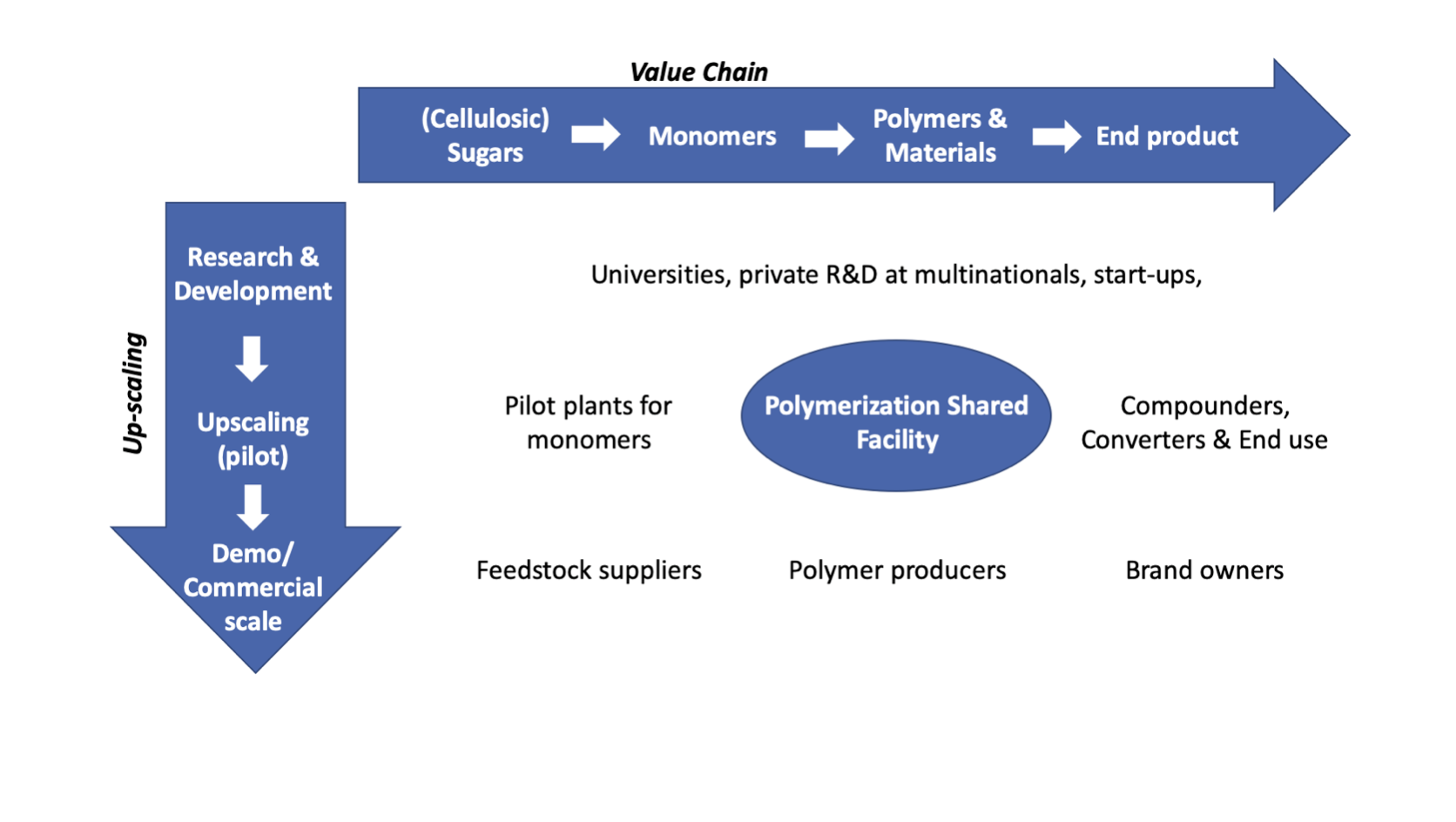
GreenDMA Portal
The GreenDMA Portal is your one stop source for valuable, timely and accurate data covering renewable chemicals and polymers capacity, market share, product market indicators, chemical profiles and industry news with accompanying analysis. Please check out the video above highlighting the benefits of the GreenDMA Portal.