2026 Media Partnership
| M | T | W | T | F | S | S |
|---|---|---|---|---|---|---|
| 1 | ||||||
| 2 | 3 | 4 | 5 | 6 | 7 | 8 |
| 9 | 10 | 11 | 12 | 13 | 14 | 15 |
| 16 | 17 | 18 | 19 | 20 | 21 | 22 |
| 23 | 24 | 25 | 26 | 27 | 28 | 29 |
| 30 | ||||||
RENEWABLE CHEMICAL EVENTS 2026
- Nov 1-3, 6th Annual 2026 AFCC Global Biobased Economy Conference & Exhibit, Washington D.C., USA
- Nov 17-18, Advanced Recycling Conference, Cologne, Germany
- Dec 1-2, European Bioplastics Conference, Berlin, Germany
RENEWABLE CHEMICAL EVENTS 2027
- Feb 8-12, American Cleaning Institute Annual Meeting, Orlando, Florida, USA
- Apr 21-22, CO2-based Fuels and Chemicals Conference, Cologne, Germany
- Apr 28-30, Pine Chemicals Association Spring Meeting, Kissimmee, Florida, USA
- May 18-20, International Castor Oil Association (ICOA) Annual Meeting, Malaga, Spain
- May 20-21, 17th ICIS World Surfactants Conference, Jersey City, New Jersey, USA
- June 3-4, 9th Global Glycerine Conference, Chantilly, France
- June 7-9, 13th CESIO World Surfactant Congress 2027, Dublin, Ireland
- Sept 28-30, Renewable Materials Conference, Cologne, Germany
Latest Post
-

Europe’s Chemical Reset: Can Biomanufacturing Fill the Gap?
Europe’s chemical industry is facing an industrial reckoning. High energy costs, global overcapacity, weakening competitiveness and growing import competition have accelerated the closure of chemical production assets across the region. According to the European Chemical Industry Council (Cefic), cumulative announced chemical plant closures reached 37 million tons of annual capacity between 2022 and early 2026, equivalent to approximately 9% of European chemical production capacity. chemXplore‘s monitoring of 16 chemical clusters in Northwest Europe identifies 51 closure records since 2023, alongside substantial new industrial investment activity. These figures highlight a troubling contradiction: Europe is seeking to decarbonize its chemical industry while…
-
RMC 2026: Europe Has the Innovation—Can It Build the Market?
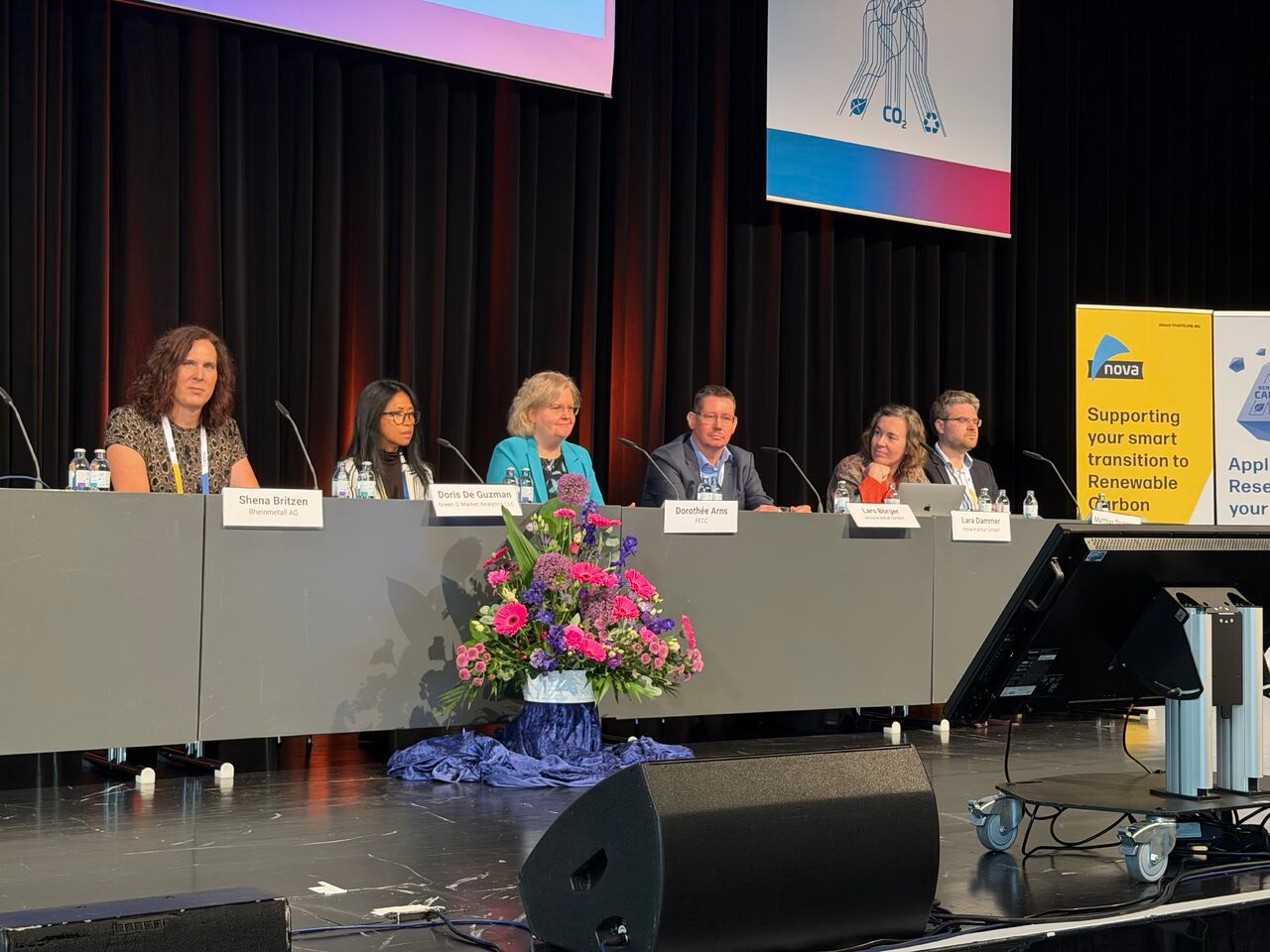
After several days of presentations and discussions at the Renewable Materials Conference (#2026RMC) held in Siegburg, Germany, the renewable materials industry does not appear to be short of technologies. What it remains short of is a reliable system for turning those technologies into competitive, financeable and scalable businesses. Across biopolymers, renewable chemicals, lignin, furanics, CO₂ utilization, surfactants and advanced recycling, many technologies are moving well beyond proof-of-concept. Yet commercial success increasingly depends on something more difficult: matching performance, cost, existing infrastructure, feedstock availability, customer commitments and policy support at the same time. That challenge is becoming even harder amid global…
-

Key takeaways from Bio Innovations North America 2026
After attending Bio Innovations North America (#BINA36) in Omaha, Nebraska, on Sept 9-10, our biggest takeaway is that the conversation around bio-based chemicals and industrial biotechnology is changing. There was still plenty of discussion about innovative technologies, feedstocks and new molecules. But much more of the conversation centered on a harder question: How do we actually get these technologies from pilot and demonstration scale into economically sustainable commercial production? This was particularly evident during the panel on Biomanufacturing Around the World: Lessons for U.S. Scale-ups and International Partnership Opportunities, where Green D Market Analytics joined representatives from Dispersa, Catalyxx and…
-
Scale-up lessons for bio-based chemicals
Every few years, the bio-based chemicals sector seems to produce a fresh “valley of death” peaks. The pattern maintains with companies with promising technologies, patient capital that eventually becomes impatient, difficult first plants, slow customer adoption, and then the inevitable round of exits, sales, shutdowns, bankruptcies and restructurings. This slide is part of a presentation titled “Renewable Chemicals Market: Geopolitics, Regionalization and Commercial Scale-Up” where Doris De Guzman , principal of Green D Market Analytics LLC, will deliver it at the nova-Institut GmbH‘s Renewable Materials Conference in Germany (Sept. 22–24). The 2018-2019 wave was a pile-up of scale-up realities. BioAmber’s…
-
Back in the Western Pipeline: Renewable Drop-In Chemicals
Summer 2026 is not yet over but it has certainly produced a number of announced projects and funding involving renewable drop-in alternatives to established fossil-based chemicals. In Europe, BioBTX announced a positive final investment decision for its PETRA circular aromatics plant at Chemie Park Delfzijl in the Netherlands. The plant will apply BioBTX’s Integrated Catalytic Cracking Process to mixed plastic waste, producing approximately 10,000 tons per year of renewable aromatic oil containing benzene, toluene and xylenes, together with approximately 8,000 tons per year of sustainable co-products. Process-module fabrication has started, construction at Delfzijl is scheduled to begin in early 2027,…
-
EU Textile Rules Push Chemicals Toward Circular and Lower-Impact Materials
EU textile and footwear rules are now entering their implementation phase, with new obligations covering unsold goods, textile waste collection, producer responsibility, waste exports and environmental claims. Large companies will be banned from destroying unsold apparel, clothing accessories and footwear placed on the EU market from 19 July 2026 under the Ecodesign for Sustainable Products Regulation, with medium-sized companies expected to follow in 2030. The revised Waste Framework Directive, in force since 16 October 2025, sets the basis for textile and footwear EPR schemes and new rules on used textile and textile waste management. The Waste Shipment Regulation tightens waste…
-
Biopolymers Market Update
The bio-based polymers market is not immune by the challenges plaguing the global plastics supply chain. The market is being tested by profitability, feedstock economics, downstream adoption and the ability of producers to scale without overbuilding ahead of demand. Polybutylene succinate (PBS) is the clearest example. Mitsubishi Chemical’s withdrawal from the PTTMCC Biochem BioPBS™ business in Thailand removes one of the most visible commercial bio-based PBS platforms from the global market. Production ended in December 2025, with sales to continue only until remaining stocks are exhausted. PBS activities in China continues through a mix of bio-based and coal-based PBS projects…
-

Key Quotes from the 16th ICIS World Surfactants Conference
Diversification, cost pressures and innovation are key topics discussed at the recently-held 16th ICIS World Surfactants Conference in Jersey City, New Jersey. We highlighted several quotes from various speakers and panelists gathered on this event. DAY 1 Speaker: Robert Fry, PhD, Economist: “Europe and Asia face greater recession risks than the USA because of their higher exposure to energy imports, while North Americas natural gas advantage continues to support its chemical industry competitiveness relative to regions dependent on naphtha-based feedstocks.” Panel Discussion: The panel focused on how Middle East supply disruption is affecting petrochemical and renewable chemical supply chains. “US…
-
Global Furanics Market Development Splits Across the USA, Europe and China
The furanics market is moving in different directions with current activity shows a US retrenchment around Origin Materials, continued European commercialization through Avantium and ResiCare, and expanding Chinese activity around furandicarboxylic acid (FDCA), polyethylene furanoate (PEF) and other furan-based polymer applications. Origin Materials has moved toward liquidation after scaling back its biomass-to-chemicals platform and later announcing plans to sell its PET cap technology and remaining assets, followed by a wind-down of its operations. Origin had previously promoted a furanics platform based on converting lignocellulosic feedstock into chloromethyl furfural (CMF), for potential downstream use in PET precursor paraxylene, FDCA and PEF.…
-
China’s 15th Five-Year Plan Raises the Stakes in Biomanufacturing
Biomanufacturing is moving deeper into China’s industrial policy base as indicated in the country’s recently-released 15th Five-Year Plan. The national 2026-2030 plan identifies biomanufacturing and advanced materials as priority areas for technological breakthroughs and industrial upgrading. China’s Ministry of Industry and Information Technology (MIIT) is also expected to issue a dedicated 15th Five-Year Biomanufacturing Development Plan, with public reports pointing to landmark products, AI application cases, pilot platforms, and high-performance bioreactors as key areas of focus. The plan aims to transform China’s biotech industry from R&D into a dominant global producer through enhanced manufacturing capabilities. Key focus industries will include…
-
Chemical Supply Chains Under Pressure: Managing Middle East Disruption With Renewable Options
The latest escalation in the Middle East is reintroducing two familiar fragilities into the chemical value chain: energy-price volatility and logistics risk concentration. Markets are explicitly pricing the possibility of supply disruption tied to Gulf geopolitics (including the Strait of Hormuz), with upstream crude moving on risk premiums and producers/consumers facing faster, less predictable feedstock cost swings such as naphtha, LPG, aromatics, etc., that flow directly into petrochemical margins and contract pricing. The Strait of Hormuz is critical to the petrochemical industry because it acts as the primary maritime bottleneck for roughly 20-25% of global oil and liquified natural gas…
-
Green Chemicals Blog Newsletter on LinkedIn
Green D Market Analytics LLC has introduced the Green Chemicals Blog Newsletter on LinkedIn —an alternative channel for staying current on renewable chemicals markets and companies. The Green Chemicals Blog has operated since 2007 and has served as an independent source of news and short market analysis of the renewable chemicals industry. Throughout 2026, we will gradually transition the Green Chemicals Blog to a new home under the Green D Market Analytics umbrella. This shift is intended to consolidate and organized the delivery of our content while keeping the same focus: credible, industry-relevant coverage of the renewable chemicals and materials value chain.…
-
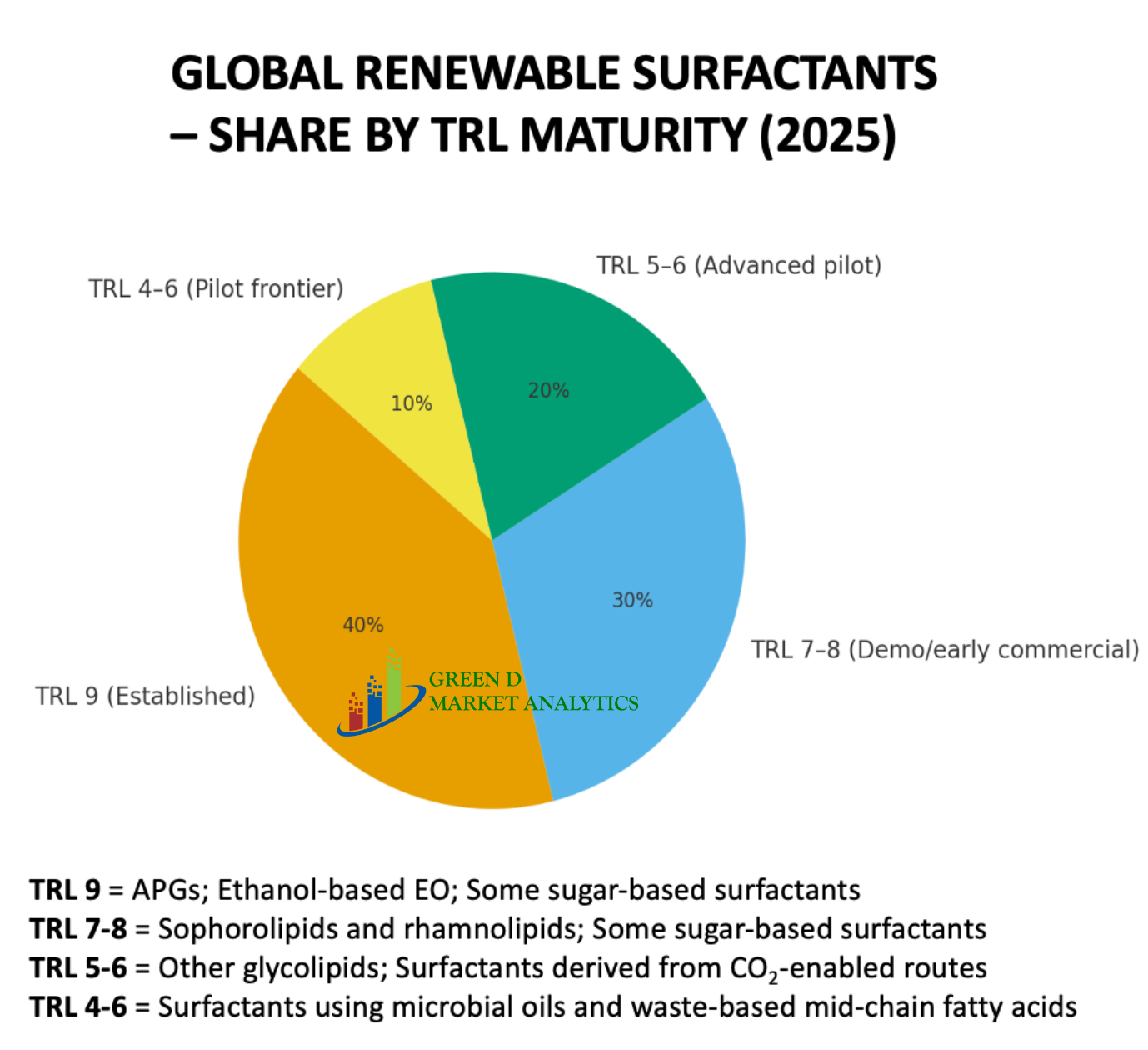
New Market Report: “Detailed Assessment of the Renewable Surfactants Market”
Developed in collaboration with Neil A Burns LLC, Green D Market Analytics (GDMA) today announced the publication of a new market report, “Detailed Assessment of the Renewable Surfactants Market,” which will be available beginning January 12, 2026.

GreenDMA Portal
The GreenDMA Portal is your one stop source for valuable, timely and accurate data covering renewable chemicals and polymers capacity, market share, product market indicators, chemical profiles and industry news with accompanying analysis. Please check out the video above highlighting the benefits of the GreenDMA Portal.
DETAILED ASSESSMENT OF THE RENEWABLE SURFACTANTS MARKET
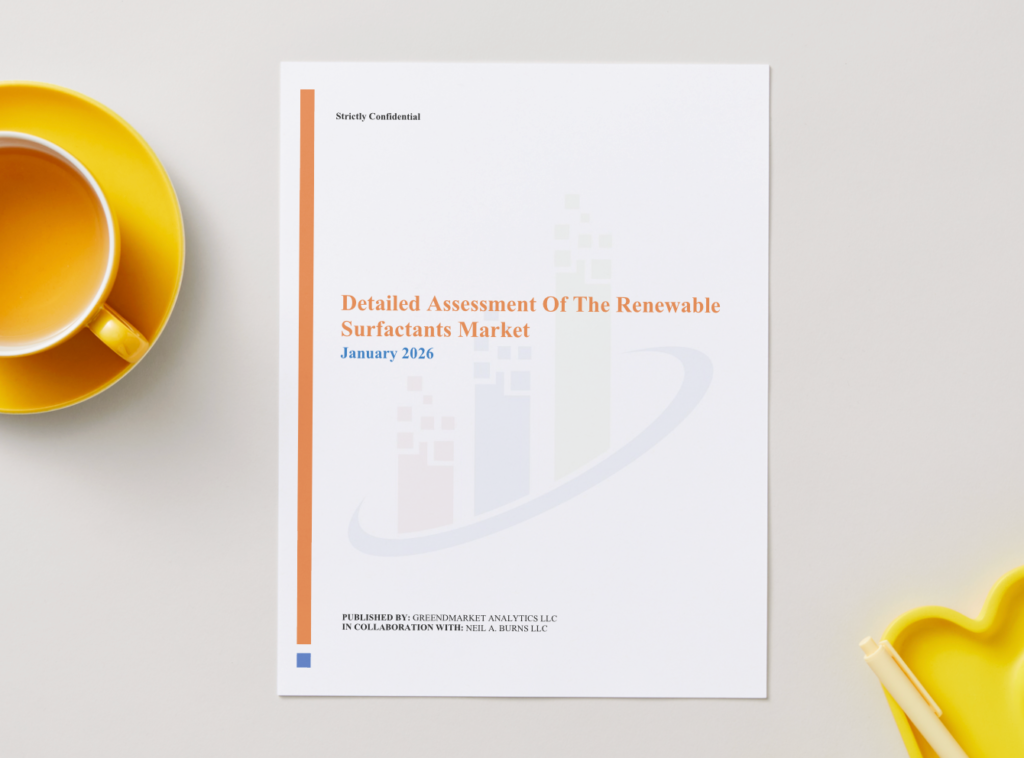
Green D Market Analytics, in collaboration with Neil Burns LLC, published its comprehensive 243-page report, “Detailed Assessment of the Renewable Surfactants Market,“ released in 2026. The report evaluates the evolving landscape of renewable surfactant technologies, including APGs, glycolipid biosurfactants, amino acid-based surfactants, and other emerging alternatives, with analysis of market fundamentals, production capacity, applications, pricing, and competitive developments.
Contact admin@greendma.com for more information.