
The latest escalation in the Middle East is reintroducing two familiar fragilities into the chemical value chain: energy-price volatility and logistics risk concentration. Markets are explicitly pricing the possibility of supply disruption tied to Gulf geopolitics (including the Strait of Hormuz), with upstream crude moving on risk premiums and producers/consumers facing faster, less predictable feedstock cost swings such as naphtha, LPG, aromatics, etc., that flow directly into petrochemical margins and contract pricing. The Strait of Hormuz is critical to the petrochemical industry because it acts as the primary maritime bottleneck for roughly 20-25% of global oil and liquified natural gas (LNG) supplies. Over 16 million barrels per day of crude and condensate flow through this narrow, 21-mile-wide passage, representing the vast majority of petrochemical feedstock exported by nations like Saudi Arabia, Iraq, and Qatar.
Maritime risk is rising: war-risk insurance pricing and coverage terms are tightening for voyages through the Gulf, and carriers continue to adjust routings and service patterns when threat levels change, adding transit time, reducing schedule reliability, and pushing up delivered costs for chemicals, polymers, and specialty inputs that depend on inter-regional trade lanes.
This is where renewable chemicals can be a practical risk-management lever as a portfolio hedge. Shifting even a portion of critical inputs to bio-based or circular feedstocks produced closer to consumption (or via multi-feedstock processes that can flex between biomass, waste-derived intermediates, and conventional streams) can reduce exposure to oil-linked price shocks and single-route logistics chokepoints. The limitation is that renewable molecules still move through the same global shipping system and often face scale and cost constraints. However, companies that treat renewable sourcing as a supply-chain resilience tool are generally better positioned to maintain continuity when freight lanes, insurance costs, and hydrocarbon feedstock economics move against them.
Green D Market Analytics monitors sustainability developments within the chemical industry, including the possibility of derisking the effects of geopolitical volatility impacts in the petrochemical supply chain by tracking commercialization milestones and evaluating where renewable chemicals (and materials) can reduce exposure to oil-linked feedstock swings and single-route logistics. Our aim is to serve as an independent source of data, news and market analysis of the business side of green chemistry.
In our GreenDMA Portal (subscription required), we profiled key 25 bio-based chemical intermediates and polymers, their market economics, global capacity and current developers and producers. We map real assets – who produces what, where, at what scale. The renewable chemicals market lacks sufficient, accurate data repositories and the available information is often fragmented, released sporadically and poorly presented. Green D Market Analytics’ renewable chemicals market intelligence and data platform provide an evidence-based view of both the upside benefits of renewable chemicals and materials (diversification, regionalization, substitution pathways) and the downside in investing in this market (availability, cost, and execution risk).
For this month’s update, here are our latest curated news and analysis, most of which are featured in the GreenDMA Portal:
- ACETYLS: Viridis halts ethyl acetate relocation while Kemvera advances ethyl acetate plans. New bio-based acetic acid production to start in India. Partnership formed for bio-based adhesives.
- ACRYLATES: Milestone in pilot production of bio-based acrylic acid; Partnership formed for bio-based butyl acrylates commercialization.
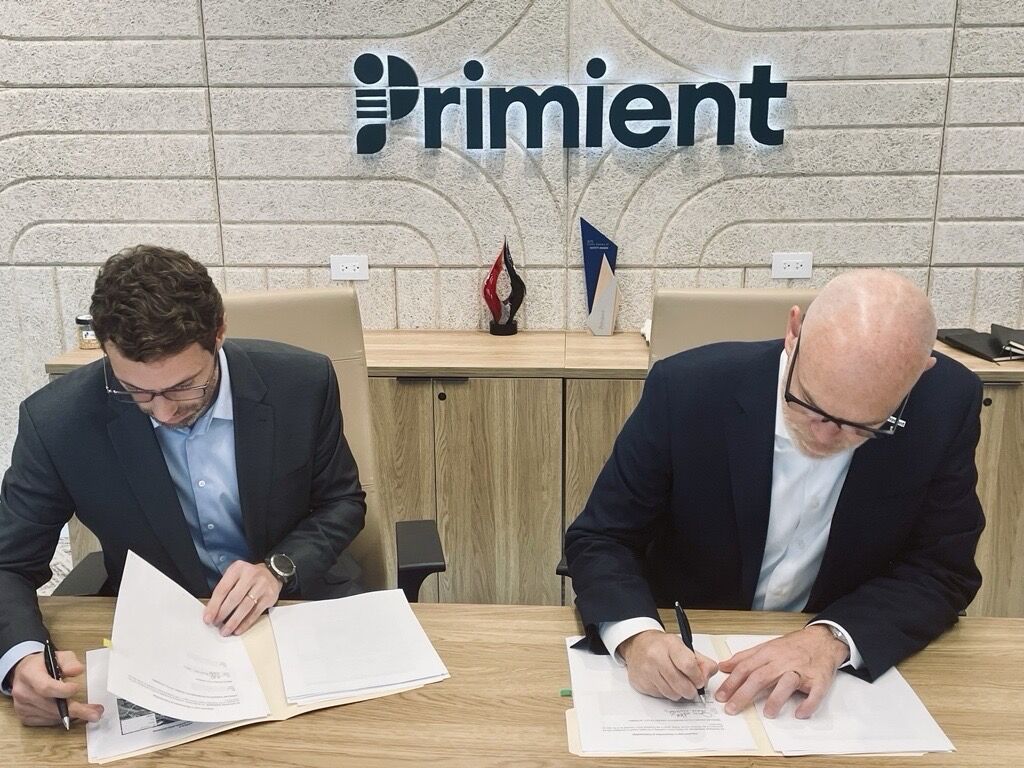
- DIOLS: Primient acquires 100% ownership of the bio-based 1,3-propanediol production in the USA. BASF’s long-term views for its European BDO production capabilities.
- ETHYLENE: Petro-based ethylene rationalization and defossilization in Japan; France expands downstream potential for bio-ethanol; Gevo bags ethanol-to-olefin patent. Update on LanzaTech’s global renewable ethanol projects accelerate.
- FURANICS: Several Chinese companies ramp up new furanics projects including 5-HMF, FDCA and PEF. Partnership formed for FDCA-based CASE applications. New patents published for furan-based plasticizers and surfactants.
- GLYCOLS: Updates on UPM Biochemicals’ bio-based glycols commercialization.
- METHANOL: Bio-based methanol projects advance in China and India.
- PINE CHEMICALS: Restructuring continues for global Crude Tall Oil market.
- PLA: Updates on PLA (and associated monomers) plants and projects in China, Thailand, India, Europe and the Middle East. We also updated several Chinese PLA projects that are believed to be on hold, delayed or cancelled.
- POLYURETHANE: CO2-based polyols progressing in the USA.
We also continue to monitor commercialization activities within the renewable surfactants market. Recent news include Viridi’s partnership with Zschimmer & Schwarz to scale CO2-based surfactants; Econic’s CO2-based surfactants in rinse aid formulations; and Syensqo’s launch of a new surfactant produced using bio-circular, upcycled ethylene oxide feedstocks.
Green D Market Analytics’ new 243-page report, “Detailed Assessment of the Renewable Surfactants Market” is now available for purchase. Contact us at admin@greendma.com for more information.
For more surfactant news, check out Neil A. Burns’ monthly Surfactants Blog.