Green Chemicals Blog
-

Europe’s Chemical Reset: Can Biomanufacturing Fill the Gap?
.
Europe’s chemical industry is facing an industrial reckoning. High energy costs, global overcapacity, weakening competitiveness and growing import competition have accelerated the closure of chemical production assets across the region. According to the European Chemical Industry Council (Cefic), cumulative announced chemical plant closures reached 37 million tons of annual capacity between 2022 and early 2026,…
-
RMC 2026: Europe Has the Innovation—Can It Build the Market?
.
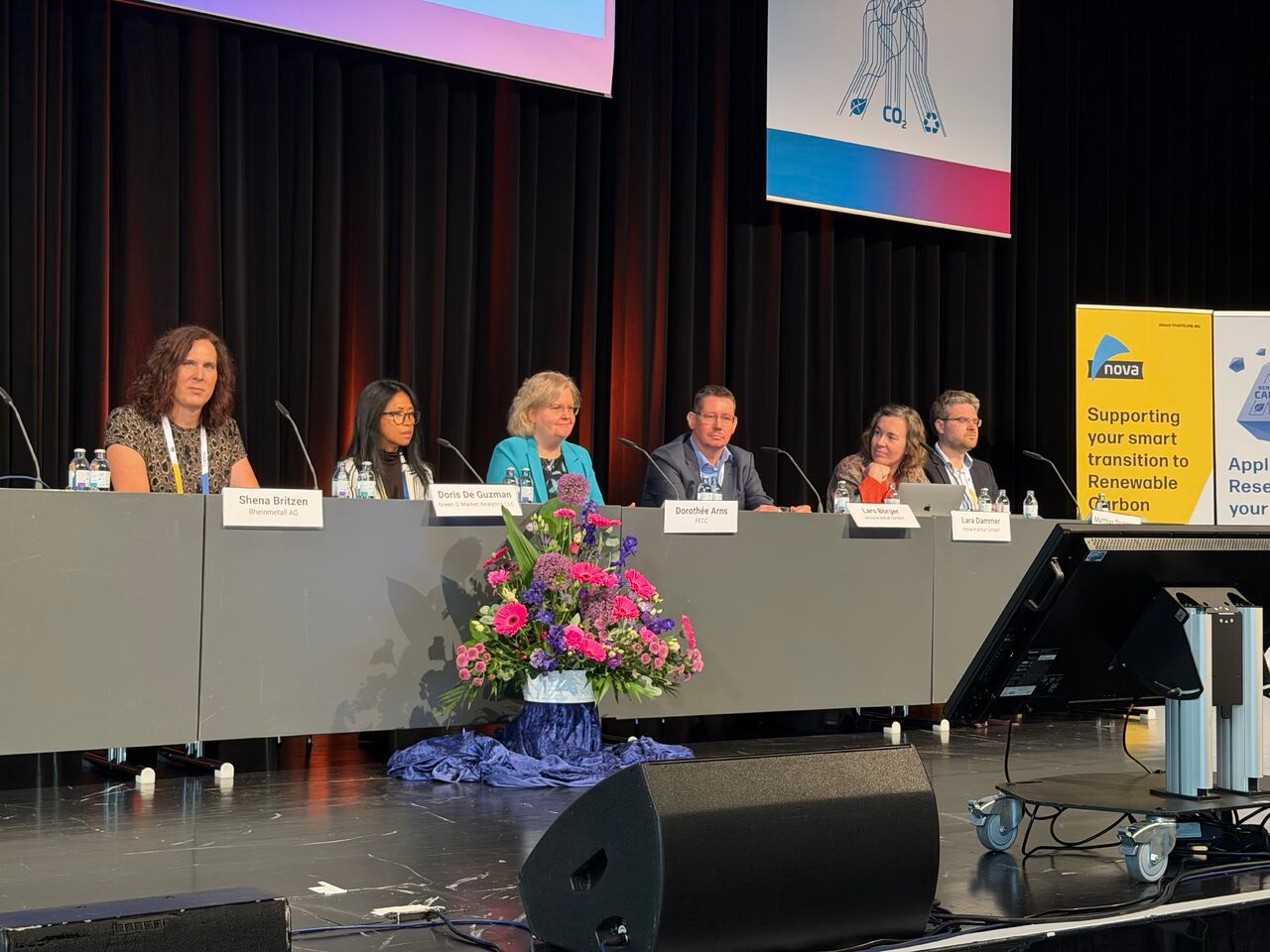
After several days of presentations and discussions at the Renewable Materials Conference (#2026RMC) held in Siegburg, Germany, the renewable materials industry does not appear to be short of technologies. What it remains short of is a reliable system for turning those technologies into competitive, financeable and scalable businesses. Across biopolymers, renewable chemicals, lignin, furanics, CO₂…
-

Key takeaways from Bio Innovations North America 2026
.
After attending Bio Innovations North America (#BINA36) in Omaha, Nebraska, on Sept 9-10, our biggest takeaway is that the conversation around bio-based chemicals and industrial biotechnology is changing. There was still plenty of discussion about innovative technologies, feedstocks and new molecules. But much more of the conversation centered on a harder question: How do we…
-
Scale-up lessons for bio-based chemicals
.
Every few years, the bio-based chemicals sector seems to produce a fresh “valley of death” peaks. The pattern maintains with companies with promising technologies, patient capital that eventually becomes impatient, difficult first plants, slow customer adoption, and then the inevitable round of exits, sales, shutdowns, bankruptcies and restructurings. This slide is part of a presentation…
-
Back in the Western Pipeline: Renewable Drop-In Chemicals
.
Summer 2026 is not yet over but it has certainly produced a number of announced projects and funding involving renewable drop-in alternatives to established fossil-based chemicals. In Europe, BioBTX announced a positive final investment decision for its PETRA circular aromatics plant at Chemie Park Delfzijl in the Netherlands. The plant will apply BioBTX’s Integrated Catalytic…
-
EU Textile Rules Push Chemicals Toward Circular and Lower-Impact Materials
.
EU textile and footwear rules are now entering their implementation phase, with new obligations covering unsold goods, textile waste collection, producer responsibility, waste exports and environmental claims. Large companies will be banned from destroying unsold apparel, clothing accessories and footwear placed on the EU market from 19 July 2026 under the Ecodesign for Sustainable Products…
-
Biopolymers Market Update
.
The bio-based polymers market is not immune by the challenges plaguing the global plastics supply chain. The market is being tested by profitability, feedstock economics, downstream adoption and the ability of producers to scale without overbuilding ahead of demand. Polybutylene succinate (PBS) is the clearest example. Mitsubishi Chemical’s withdrawal from the PTTMCC Biochem BioPBS™ business…