
Green Chemicals Blog
-
Study: Bio-crude potential in the USA
.
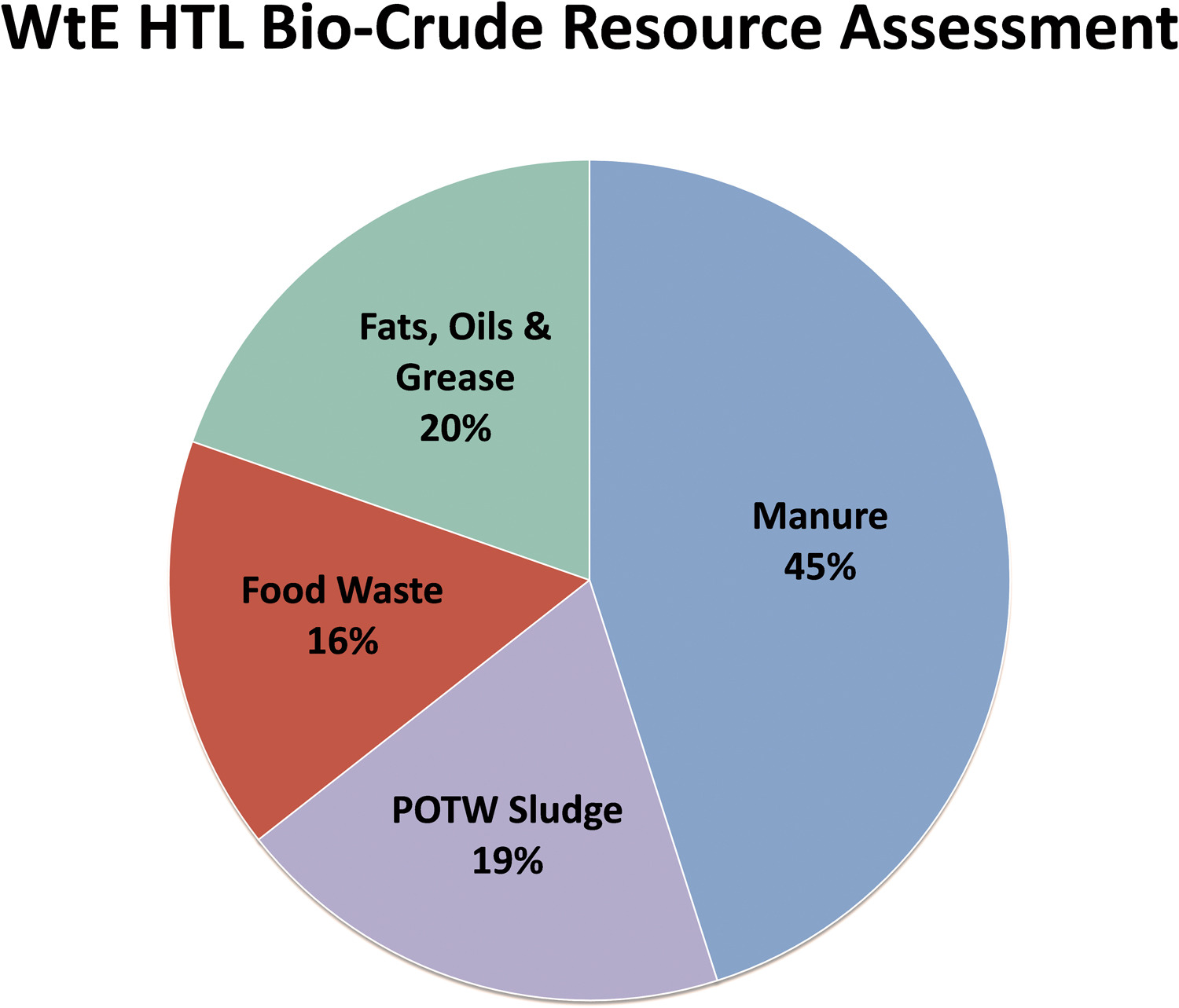
Researchers from the US Department of Energy (DOE) National Renewable Energy Laboratory (NREL) and Pacific Northwest National Laboratory (PNNL) have released a report on the potential production of bio-crude from organic wastes such as wastewater sludge, animal manure, food waste, and fats, oils and greases throughout the USA. HTL (hydrothermal liquefaction) is one technology that the…
-

Renewable Chemical Programming at 2018 BIO World Congress
.
BIO’s 2018 World Congress on Industrial Biotechnology in Philadelphia, July 16-19, 2018, is less than a month away! And with the tri-state region of Delaware, New Jersey and Pennsylvania ranking as one of the top markets for biotechnology and home to many startups, you won’t want to miss out on this year’s BIO World Congress.…
-

Protected: Biomaterials News Roundup: June 19
.
There is no excerpt because this is a protected post.
-

IKEA, Neste collaborate on bio-polypropylene
.
While development of fermentation-based polypropylene has mostly disappeared, several companies have long been producing polypropylene based on biomass balance approach. Neste and its partner IKEA recently announced their plan to start a pilot production of bio-based polypropylene plastic using renewable raw materials such as used cooking oil or vegetable oils. Neste’s green diesel biorefinery also…
-

P2 Science, Bedoukian Research launch new aroma ingredient
.
Bedoukian Research Inc., recently presented at the World Perfumery Congress (WPC) in Nice, France, a new aroma ingredient called Hydrofleur™, which is manufactured by P2 Science via its patented ozonolysis process. Hydrofleur™ reportedly has a very strong muguet (Lily of the Valley) note. Hydrofleur™ is the first commercial product to come out of the fragrance development collaboration between…
-
EU proposes marine litter reduction measures
.
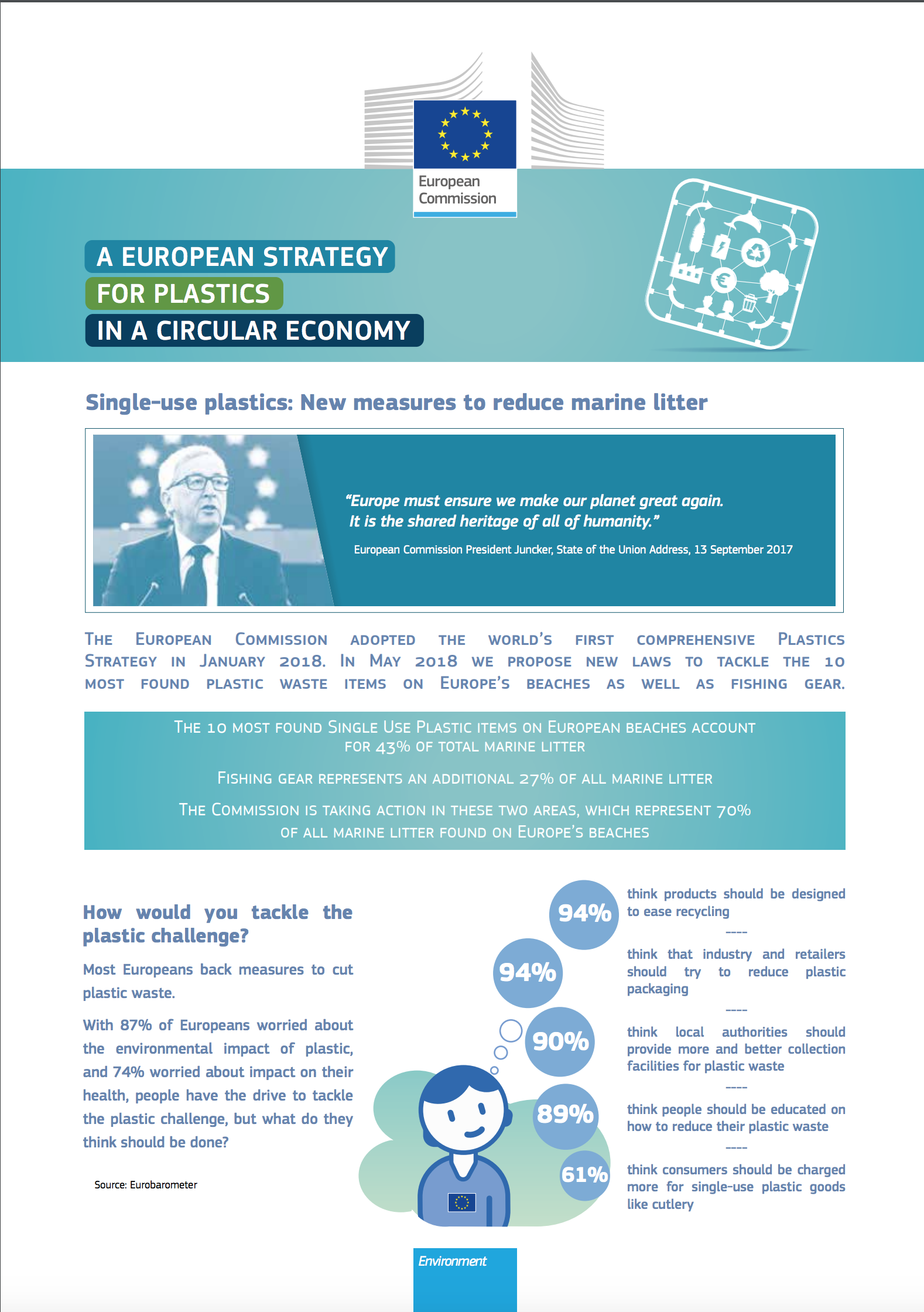
The EU Commission released an EU-wide marine litter reduction proposal yesterday by targeting 10 single-use plastic products most often found on Europe’s beaches and seas (including abandoned fishing gear). These products reportedly constitute 70% of all marine litter items. Different measures will be applied to different products. Where alternatives are readily available and affordable, single-use…