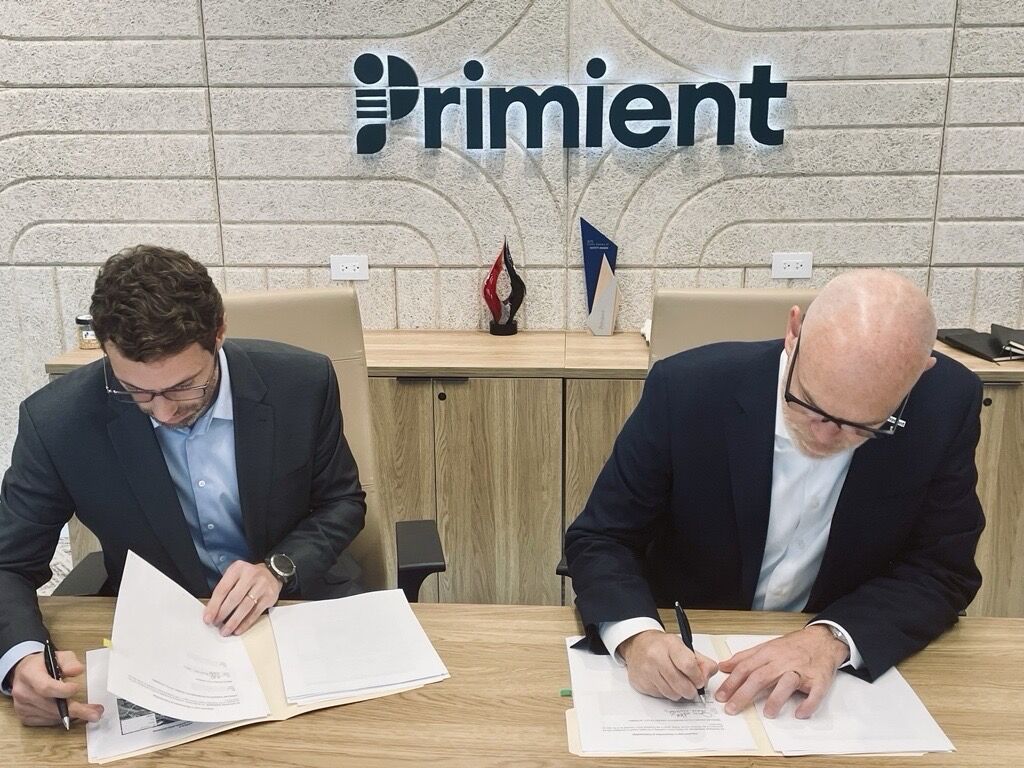

Geno’s recent announcement of a partnership with Sojitz strengthens the company’s push to commercialize 100 % plant-based nylon-6. According to the press release, Sojitz will provide strategic investment and market access support to accelerate the transition from demonstration to commercial scale. Geno describes its technology as a drop-in replacement for conventional nylon-6, utilizing renewable carbon derived from sugars to produce caprolactam intermediates, which are then used to make nylon-6. The companies plan to form a separate entity for the deployment of a flagship commercial plant.
The technical route Geno employs is a fermentation-based manufacturing platform: plant sugars are fermented into an intermediate molecule, which is then chemically converted into bio-caprolactam, and finally polymerized to nylon-6. In Geno’s earlier disclosures, they refer to the use of a flexible technology platform to produce C6 building blocks, including bio-caprolactam and bio-hexamethylenediamine (HMDA), as part of their roadmap. Geno’s collaborations with Aquafil under the “Project Effective” have already validated the pilot-to-demonstration scale conversion of plant-based caprolactam to nylon-6 polymer, as well as early test runs in textile and carpet applications. On the nylon-6,6 side, Geno previously inked a partnership with Asahi Kasei to license its GENO™ HMDA route, aiming to replace the HMDA half of the nylon-6,6 feedstock with renewable carbon.
To date, there has been no commercial production of drop-in bio-based caprolactam or bio-based HMDA. Cathay Biotech has been commercializing its HMDA alternative, 1,5-pentanediamine (PDA), that are produced via a fermentation process. Cathay has already been producing nylon 5,6 as an alternative to nylon 6,6. Downstream consumers are still testing the properties and performance benefits of nylon 5,6. Beyond these developments, the most advanced and commercially available bio-based nylon today is castor-based long-chain systems (PA11, PA610/1010/1012/410), which rely on sebacic acid (DC10) and aminoundecanoic acid (DC11).
Green D Market Analytics can provide a specialized report highlighting the market for bio-based chemical intermediates and monomers. We provide our clients with confidential reports on the current industry landscape, including new and planned projects. Please contact us at info@greendma.com for more information about our customized client services, detailed market data, and special reports.
In March 2025, Green D Market Analytics launched the GreenDMA Portal. The Portal is unique in its ability to provide current data on the renewable chemicals market, including Capacity, Product Profiles, Market Players, Market Share, New Investments, New Plants, Critical Industry News, and analyses. Find out more at greendma.com/portal.